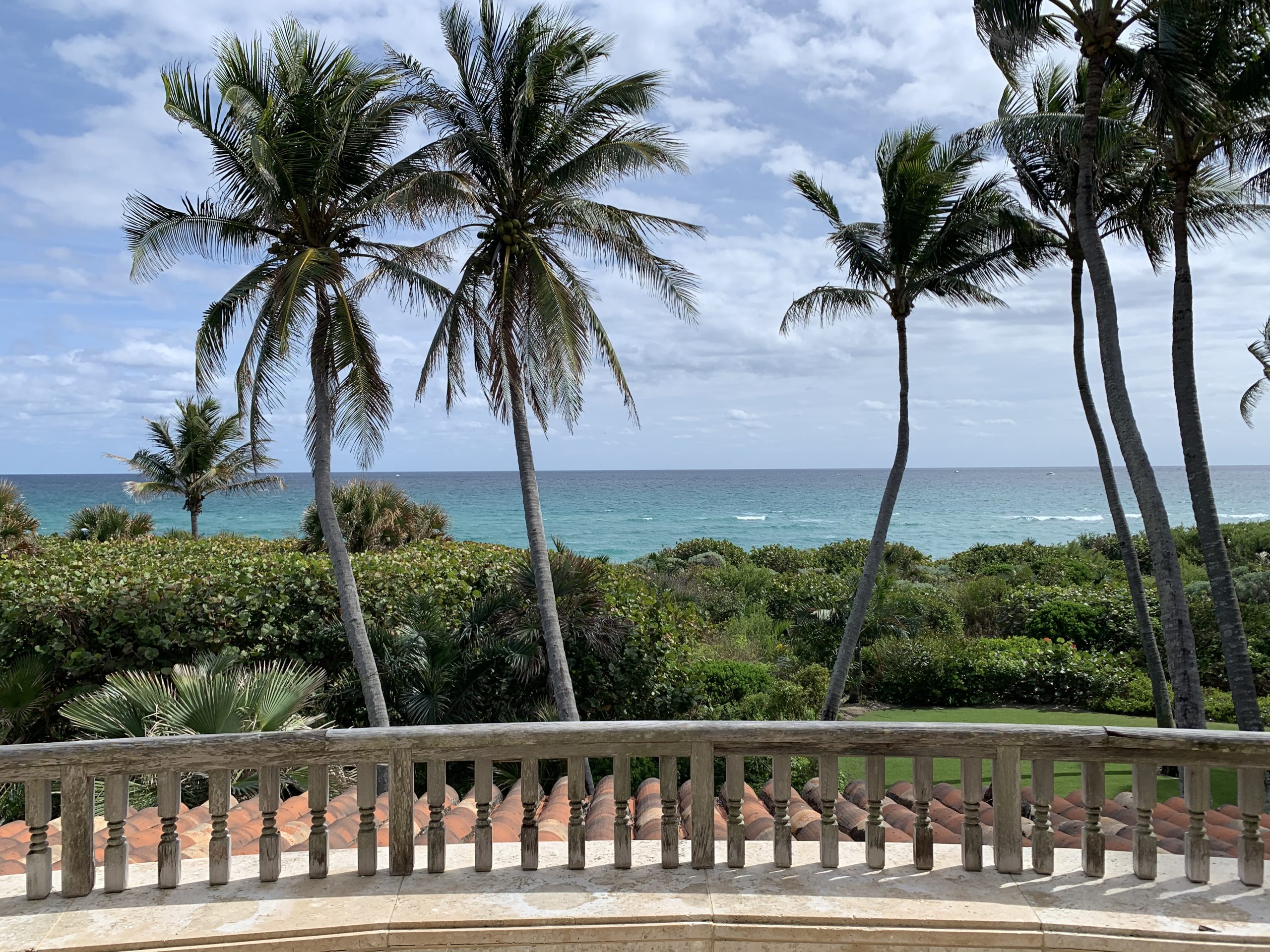
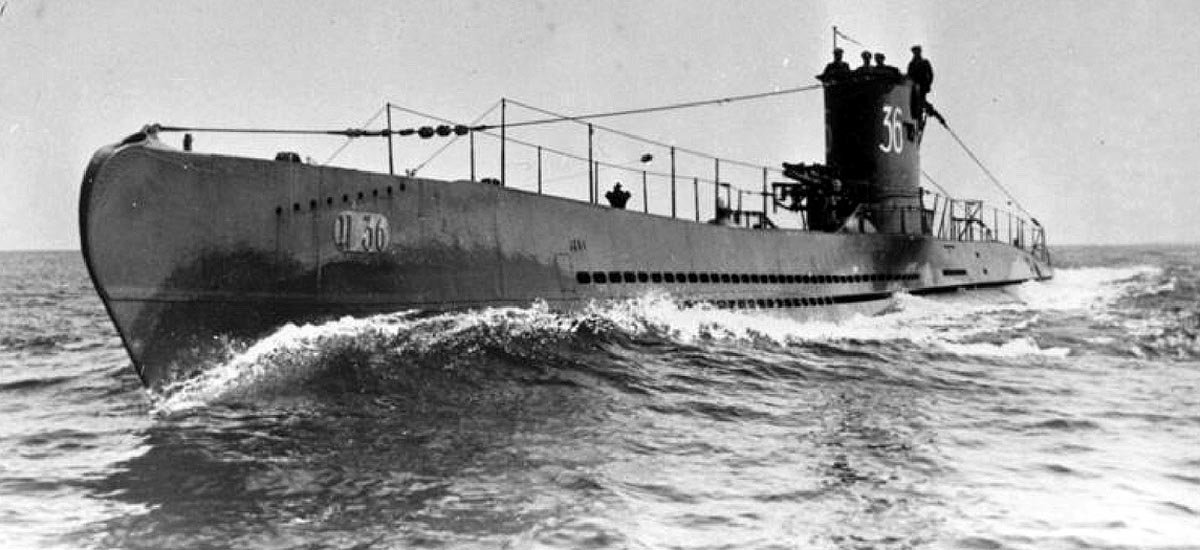
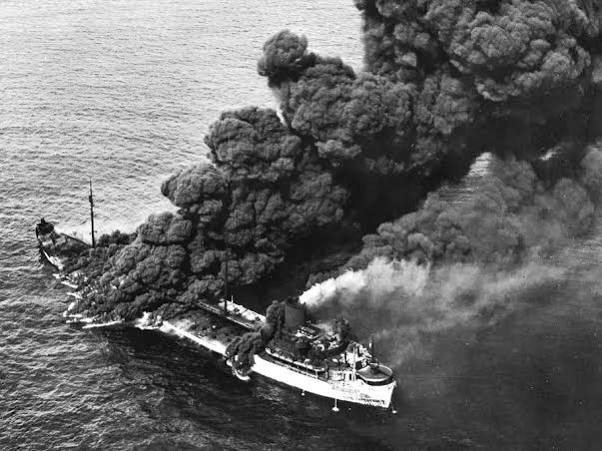
In the spring of 1942, the war came so close to Palm Beach County that people could watch it from their own beaches. German submarines, called U-boats, slipped through the dark water just offshore and sank ship after ship. Families stood on the sand at night and watched tankers burn on the horizon. In the morning oil and wreckage washed up with the tide.
Why the U-Boats Came Here
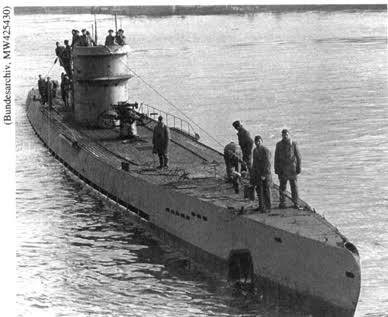
Not long after Pearl Harbor, Germany sent its submarines across the Atlantic to attack ships along the American coast. The Germans called it Operation Drumbeat, and for the U-boat crews those first months were almost too easy. Many American ships were sailing alone with no escort. Some of them still burned their running lights at night. Big supply submarines, nicknamed milk cows, met the boats far out in the Atlantic to refuel them so they could stay on our coast longer.
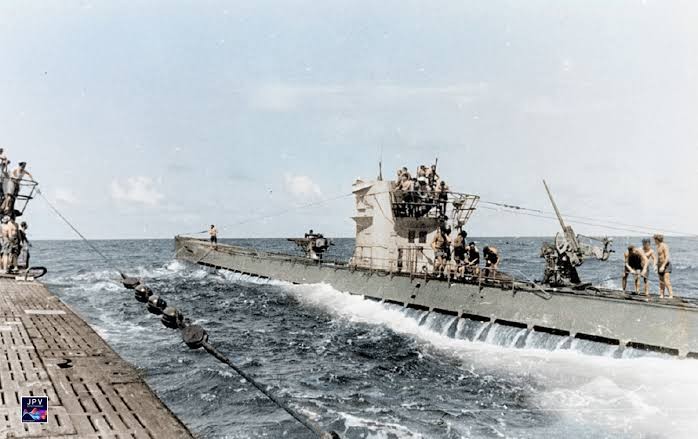
Our stretch of coast was one of the best hunting grounds of all. Near the Palm Beach Inlet, the easternmost point in Florida, the Gulf Stream runs closer to shore than almost anywhere else. Ships heading north rode the current just a few miles off the beach, while ships heading south hugged the coast to stay out of it. Either way they passed within easy reach of a submarine waiting in the dark.
The numbers are hard to believe. In the first seven months of 1942, U-boats sank nearly 400 ships along the American coast. Twenty-four of them went down in Florida waters, with eight off Palm Beach County alone. Half of those sank near the Jupiter Inlet.
Lit Up Like a Stage
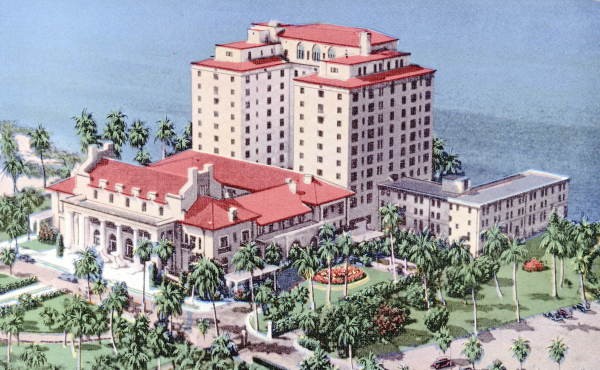
The biggest help the U-boats had was us. The hotels, homes and streetlights along the coast glowed all night long. To a U-boat commander looking through his periscope, every ship that passed in front of those lights stood out like a cutout against a bright window. The winter season was in full swing, so many business owners did not want anything to spoil it.
It took a burning tanker to change that. On the night of April 10, 1942, the U-123 torpedoed the tanker Gulfamerica off Jacksonville Beach while crowds on the shore watched her burn. The next day Governor Spessard Holland ordered a blackout of lights that could be seen from the ocean. Even then, in much of Florida the lights were only dimmed rather than put out.
The Ships That Burned
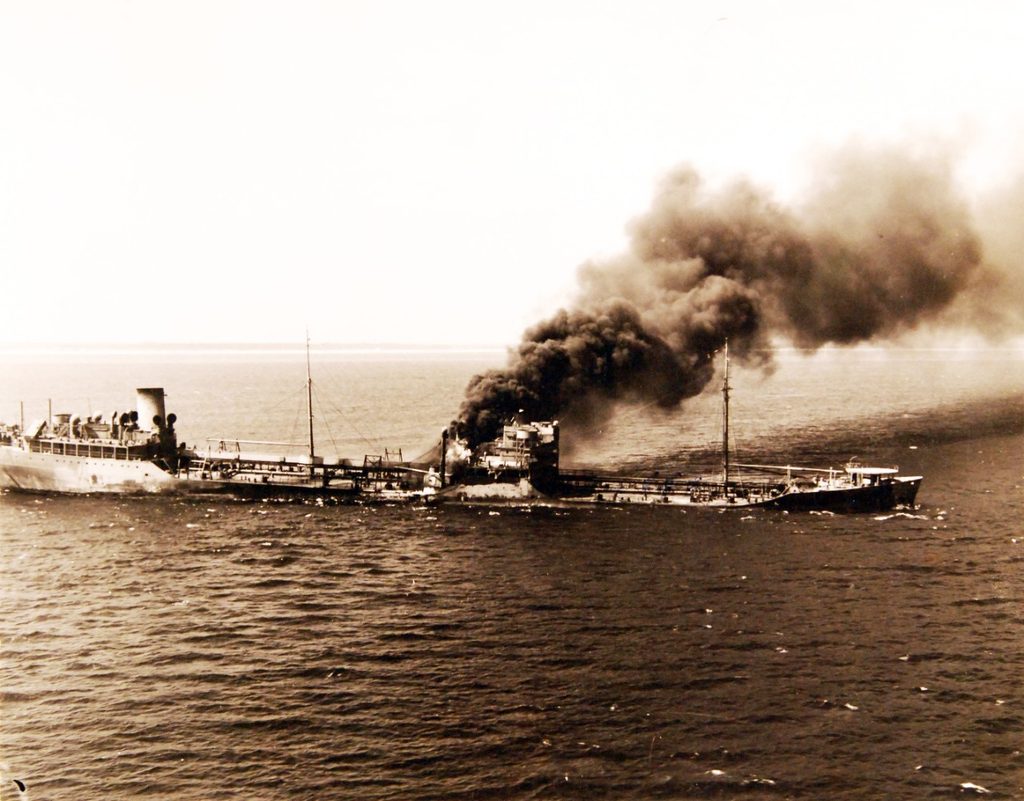
One of the first to die off our coast was the tanker W.D. Anderson, torpedoed near Jupiter by the U-504 in late February 1942. Her commander, Fritz Poske, saw so many ships passing that he let some of them go by. In his log he called them tasty morsels.
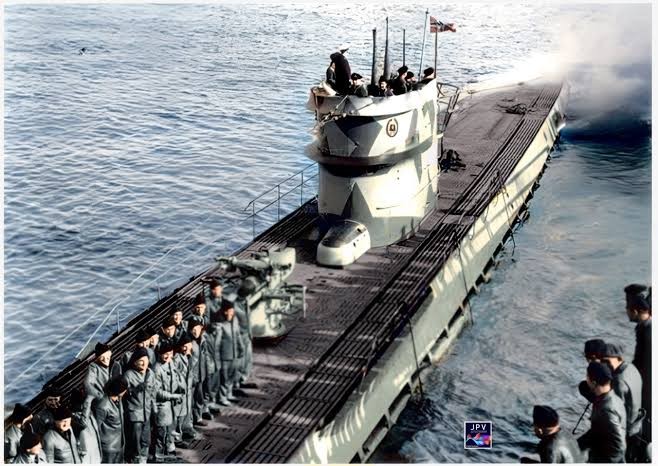
In the first days of May 1942, ships went down all along our coast. Off Cape Canaveral the U-109 sank the Dutch freighter Laertes along with the Ocean Venus. On May 4 the U-564 hit the tankers Eclipse and Delisle. Before dawn on May 6 the U-333 sank the little Dutch steamer Amazone off Fort Pierce, then torpedoed the tanker Halsey off Jupiter Inlet. Two days later the U-564 sank the freighter Ohioan off Boynton Beach.
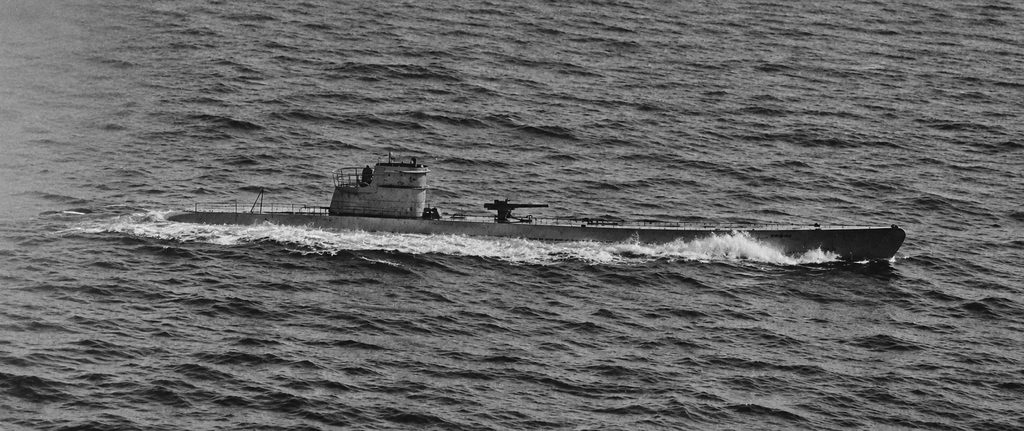
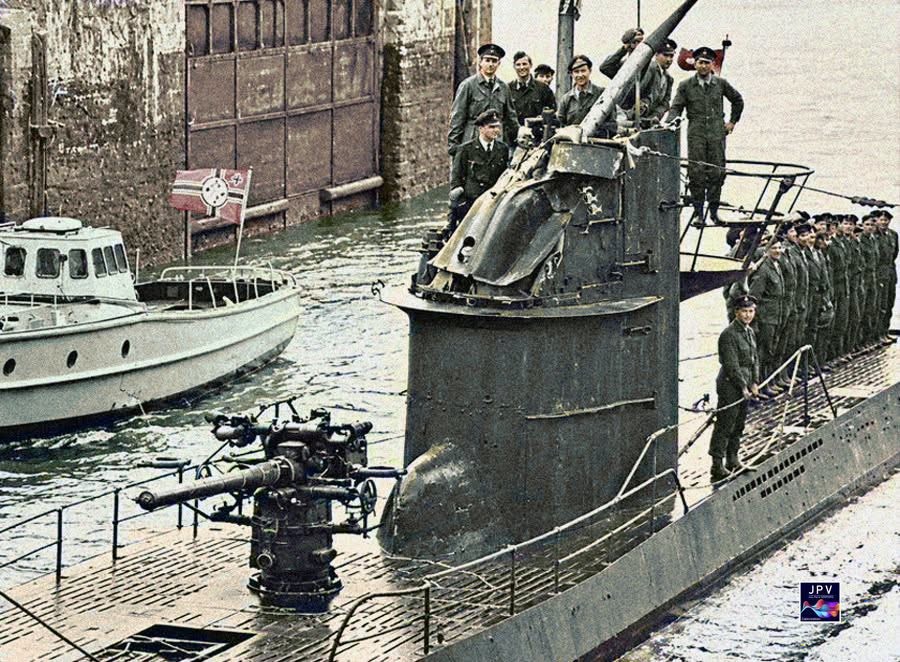
Fourteen of the Amazone’s thirty-four men were lost in the water that night. The Halsey was carrying naphtha, which caught fire until the tanker exploded and broke in two. People along the shore could see the glow for miles. Many of them never forgot it for the rest of their lives.
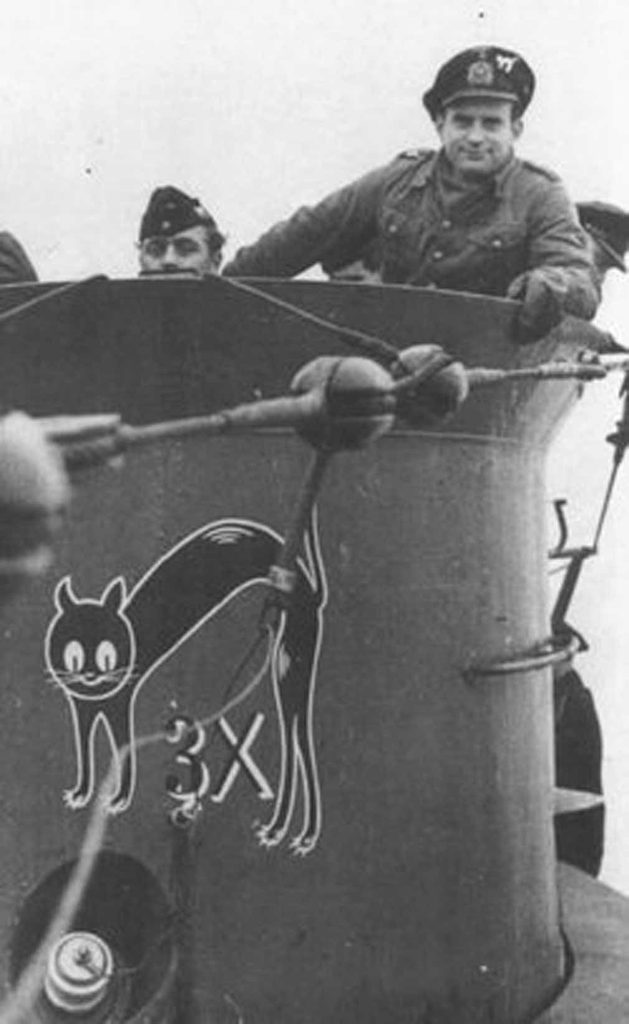
Through the Periscope
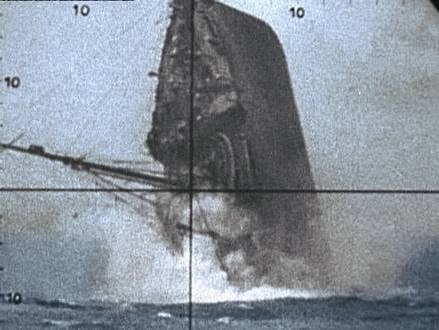
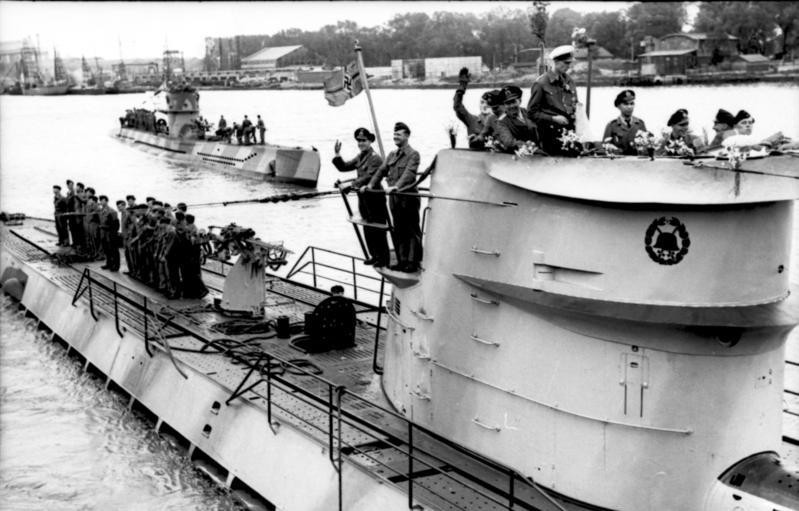
Most of the men aboard those U-boats were very young, many of them only eighteen or nineteen years old. They were proud and sure of themselves when they left their bases in France. Out here they lived for weeks in a steel tube that smelled of diesel, sweat and spoiled food. For many of them that confidence lasted only until they watched their first ship burn with men still in the water.
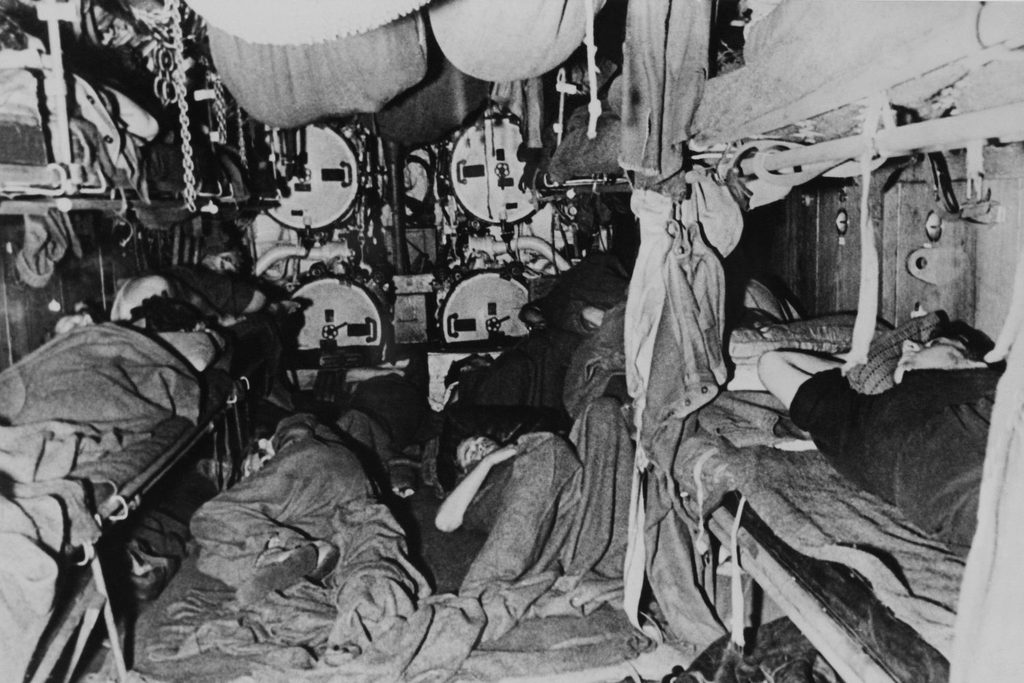
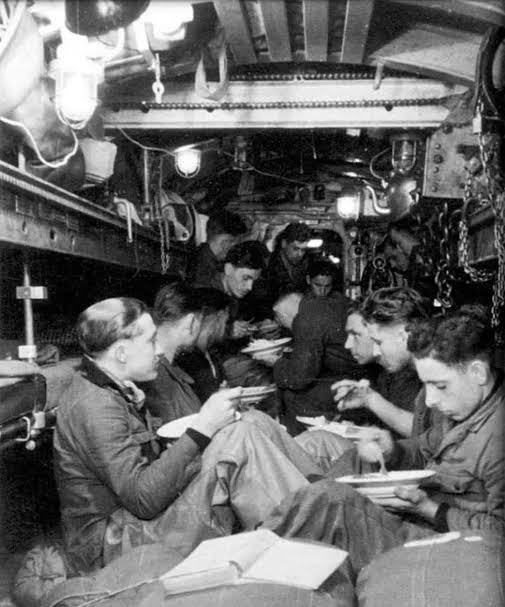
My grandparents told me stories about those days when I was a boy. My grandpa was sure the German sailors fished coconuts out of the water when they surfaced at night. He also believed many of those young sailors wanted to slip ashore near Palm Beach, where some of them had family already living here. He told me too that the German sailors feared the long trip over here and back more than anything they faced once they got here. I have never found these stories in the official record, but I have never forgotten them either.
Hunting the Hunters
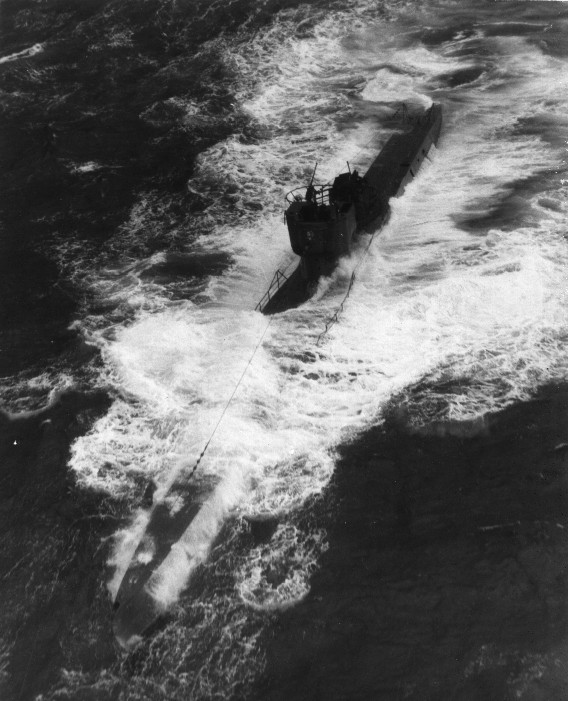
Before long the tide began to turn. The Navy started sending ships in convoys with escorts, while planes and blimps watched the coast from the air. On May 18, 1942, the Coast Guard cutter Nike reported that it may have hit a U-boat off the Jupiter Lighthouse. No U-boat was ever confirmed lost off Florida, so what really happened that day is still a mystery.
Some of the first hunters were our own neighbors. Civilian pilots flew their own small planes, nicknamed puddle jumpers, out of the little airport at Lantana. They patrolled as far as 60 miles out to sea between Palm Beach and Cape Canaveral, searching for U-boats while guiding rescue boats to sinking ships. Years later, in 1948, 53 of those local fliers received the Air Medal.
Life on the Home Front
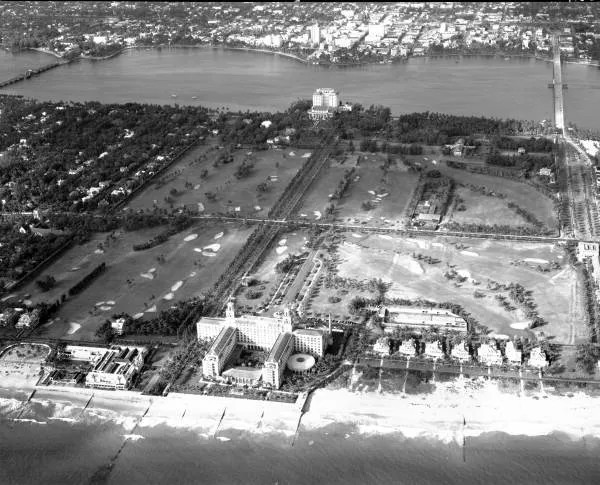
Back on land, life in Palm Beach changed quickly. Windows facing the ocean were covered with blackout curtains, while wardens walked the streets after dark. Gas and sugar were rationed. Before the year was out, the Army had even taken over The Breakers and turned it into Ream General Hospital, where wounded soldiers came to heal.
The Coast Guard also put men on the beaches. Before long they were riding horses along the sand at night, with trained dogs at their side. Across the country the Beach Patrol grew to more than 3,000 horses and 2,000 dogs.
The U-boats even brought spies to Florida. On June 16, 1942, the U-584 put four German saboteurs ashore at Ponte Vedra Beach near Jacksonville, wearing bathing suits and German Navy caps. They were caught within weeks, and all four were later executed.
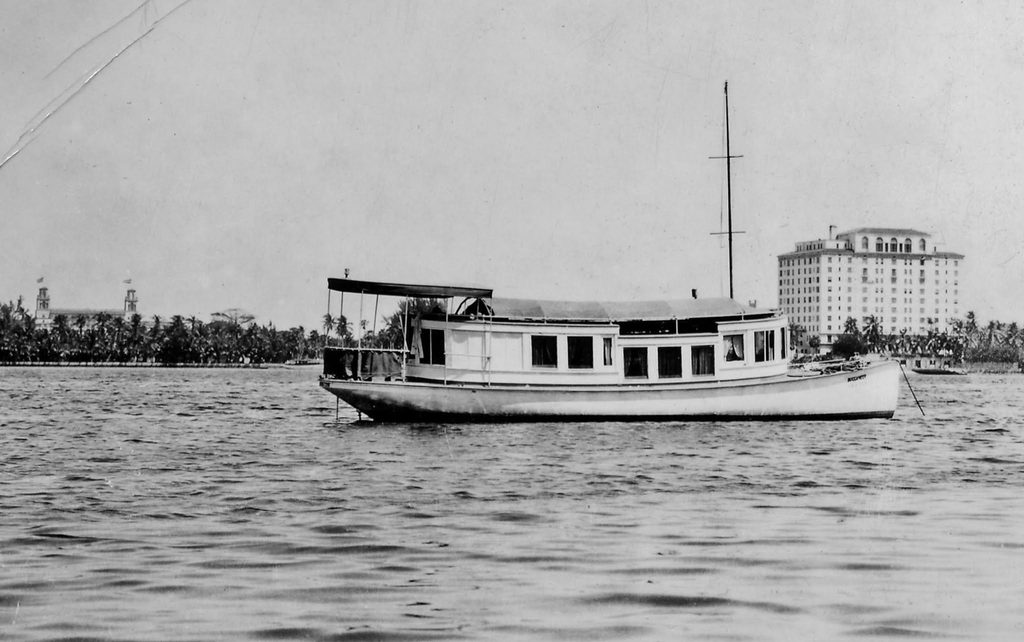
Old photos like this one show how calm life on Lake Worth used to be. In 1942 the boats still rocked at anchor between Palm Beach and West Palm Beach, but now everyone kept one eye on the ocean. Nobody could say for sure what was waiting just beyond the reef.
Why It Still Matters
Today most people lying on our beaches have no idea how close the war once came to Palm Beach County. Many merchant sailors, American and foreign, lost their lives off our coast in 1942. Some of the wrecks still lie on the bottom offshore, where divers visit them to this day.
The U.S. government agency for wartime information and propaganda created in June 1942 was called the OWI (Office of War Information). It has been very well documented that all along the coasts, from Portland, Maine to Miami, Florida, newspapers and other media outlets was denied the ability and ordered not to print the truth, and many times false information was given out to mislead the people on the war events of that time.
That is why I wrote my U-Boats in Paradise series. The first book, Fire Off Jupiter, is out now in eBook and paperback at Amazon or Barnes & Noble. Book Two, Lights Out, picks up the story in the spring of 1942, when the lights finally went out along our coast. The books are fiction, but the burning ships, the brave sailors and the young men in those submarines were all very real.