
Getting older changes us in ways that are easy to see, and in ways that are much harder to explain. The physical changes usually come first and announce themselves without much hesitation. Our hair changes color, our faces begin to show the years, our bodies become less forgiving, and things that once seemed effortless sometimes require more patience and care. Those changes are obvious because we can see them in the mirror and feel them when we get out of bed in the morning. What I have come to understand, though, is that aging changes much more than the body. It changes the way we think, the way we remember, the way we value time, and perhaps most importantly, the way we look at the people we love.
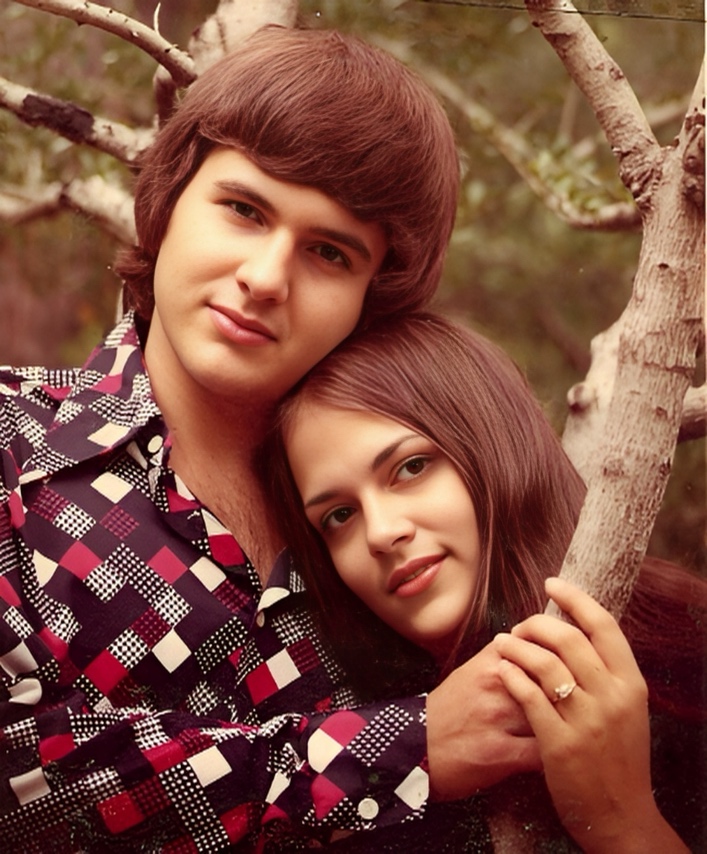
As I have gotten older, I have found myself thinking about the past more often, not because I want to live there, but because there is simply more of it behind me now. There are more people to remember, more places that no longer look the way they once did, and more moments that seemed ordinary at the time but now carry a meaning I could never have understood when they were happening. A song can take me back decades in a matter of seconds, an old photograph can bring back a voice I have not heard in years, and a familiar place can suddenly remind me of someone who is no longer here. Age seems to sharpen certain memories even while making others more difficult to reach, and that can be both comforting and painful.
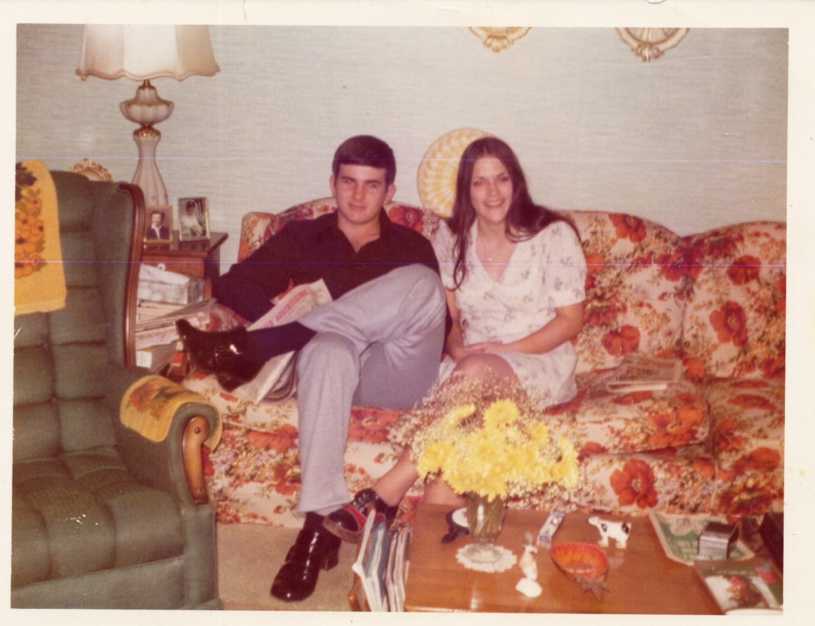
When we are younger, we tend to believe there will always be more time. We tell ourselves we can make that phone call tomorrow, visit someone next week, apologize later, or say the things we really mean when the moment feels right. We assume there will be another holiday, another birthday, another dinner together, another chance to make things right. As we grow older, we begin to understand that time does not make those promises, and that realization can change a person deeply. We become more aware that every year passes more quickly than the one before it, and we start to understand how precious ordinary moments really are.
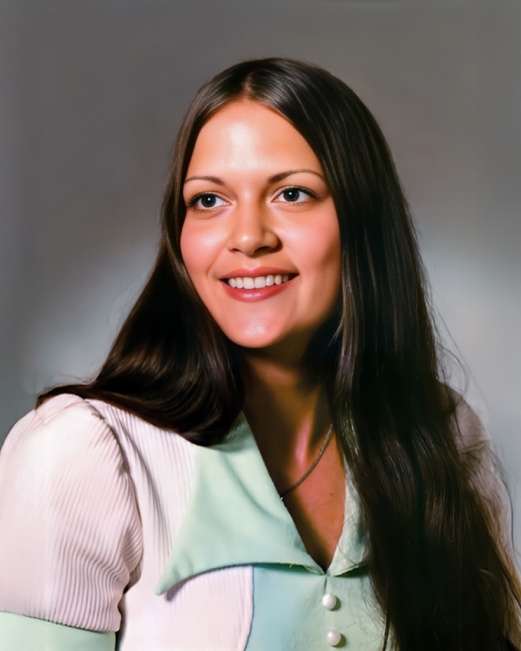
One of the biggest changes that can come with age is the way our priorities shift. Things that once seemed terribly important often lose their power over us, while things we may have taken for granted become more valuable. A quiet morning, a conversation with someone we love, a visit from one of our children, or a simple family gathering can mean more than many of the things we once worked so hard to achieve. We begin to understand that possessions come and go, careers eventually end, houses change hands, and material things rarely become the memories we hold closest. What stays with us are people, relationships, laughter, shared experiences, and the feeling of having mattered to someone.
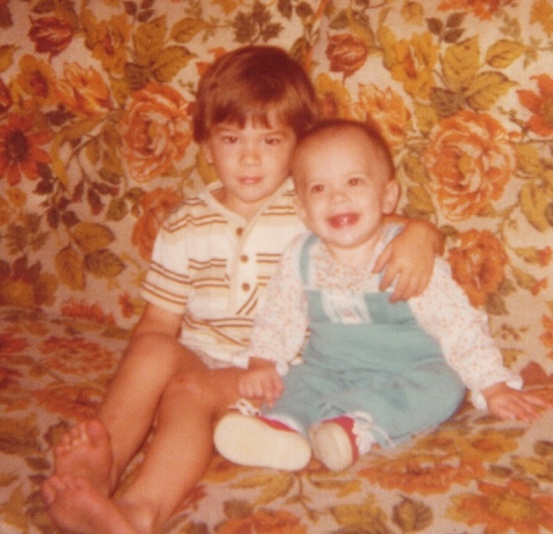
Getting older also brings a different kind of honesty. We begin to look back at our own lives with fewer excuses and perhaps a little more humility. We remember decisions we made, things we said, moments when we were impatient, and times when we could have handled something differently. We may remember occasions when we worked too much, worried too much, spoke too quickly, or failed to recognize what someone needed from us. Those memories can be difficult because age often gives us the wisdom to understand situations that we did not fully understand when we were living through them.
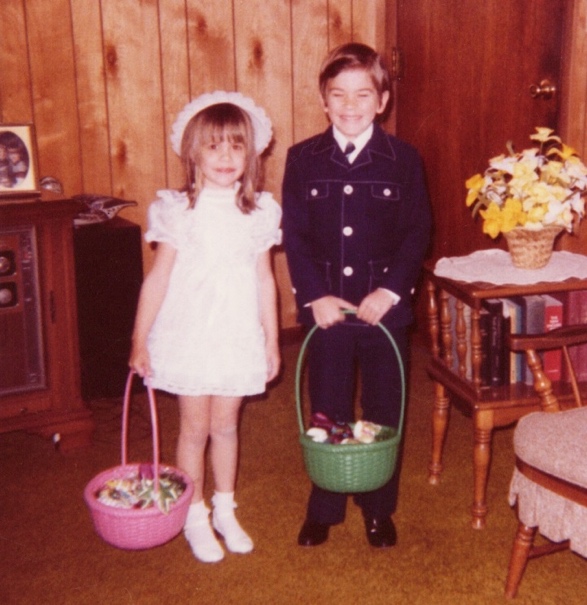
I believe this is especially true when we think about raising our children. Most of us are still very young ourselves when that first child comes into our lives. We may technically be adults, but in many ways we are still kids trying to understand who we are, how the world works, how to build a life, and how to make good decisions. Then suddenly there is another human being depending on us for everything, and somehow we are expected to know exactly what to do. No one truly prepares us for that moment, and no one prepares us for all the things that come with it. A baby does not arrive with an instruction manual, and despite the way the world works today, there is no QR code we can scan that tells us what to do next.
That may sound humorous, but there is a great deal of truth behind it. We are handed this enormous responsibility and expected to learn as we go. We have to figure out how to protect a child without smothering them, how to discipline them without damaging them, how to encourage them without placing too much pressure on them, and how to love them in a way they can actually feel and understand. We make choices about education, health, money, discipline, friendships, safety, and values while often wondering privately whether we are making the right decisions. Most parents are learning parenthood at exactly the same time their children are learning childhood.
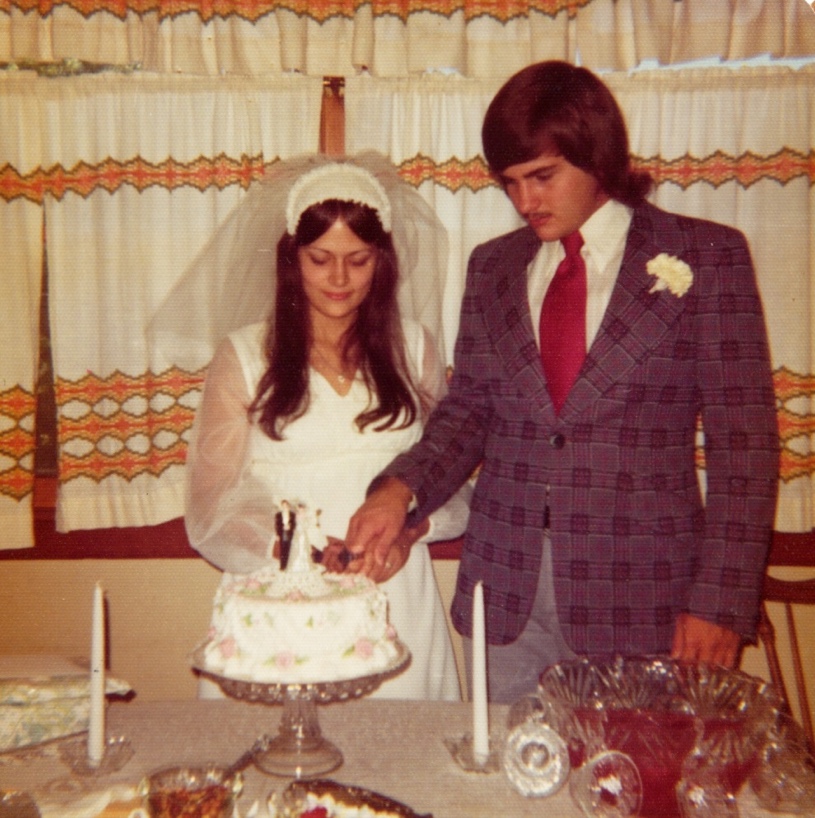
The older I get, the more I think about how little most of us are actually taught about life before we are expected to live it. Schools teach us reading, writing, mathematics, history, science, and sports, and those things certainly have value. Yet I have often felt that education fails us in one very important way because it does not spend nearly enough time teaching young people how to live in the real world. How to have a bank account and balance a checkbook or how to make and stay on a budget. How to get insurance and what types we need. We are taught how to solve equations, but not always how to handle disappointment. We learn how to pass a test, but not how to recover from failure. We may learn about historical events, but not how to build a healthy marriage, raise a family, manage money responsibly, deal with grief, choose trustworthy friends, recognize a bad relationship, handle anger, apologize sincerely, forgive someone, or understand that life will sometimes be unfair no matter how hard we try.
Those are not minor subjects. In many ways, they are the subjects that determine whether we build a stable and meaningful life. Young people eventually need to understand credit, debt, taxes, mortgages, insurance, contracts, employment, relationships, parenting, loss, responsibility, and the emotional consequences of the decisions they make. They need to know that not every mistake can be erased, not every broken relationship can be repaired, and not every opportunity will return. They need to understand how to treat people, how to recognize when they are wrong, how to stand up for themselves without destroying someone else, and how to ask for help when they need it. Those lessons are every bit as important as anything written on a classroom chalkboard or computer screen.
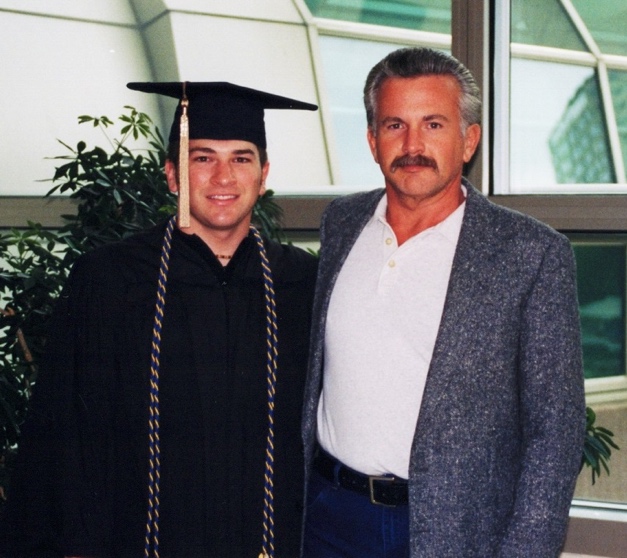
Instead, many of us entered adulthood with a diploma in our hands and very little understanding of the life waiting outside the school doors. Then we became parents and were suddenly expected to teach our children lessons that no one had ever properly taught us. We relied on what our own parents had shown us, sometimes repeating the good things they did and sometimes unintentionally repeating the mistakes. We picked up advice from relatives, friends, books, doctors, and anyone else who seemed to know more than we did, but much of the time we were simply doing our best and hoping our instincts were good enough.
When we become parents, we are expected to guide another human being through life, yet most of us are still trying to figure out life ourselves. We make decisions based on what we know at the time, on what we learned from our own parents, and on what we believe is best for our families. Sometimes we get it right, and sometimes we do not. We may have been too strict when we should have been more patient, or too worried when we should have trusted more. We may have tried so hard to protect our children that we did not always realize what they needed most was simply to be heard and understood.
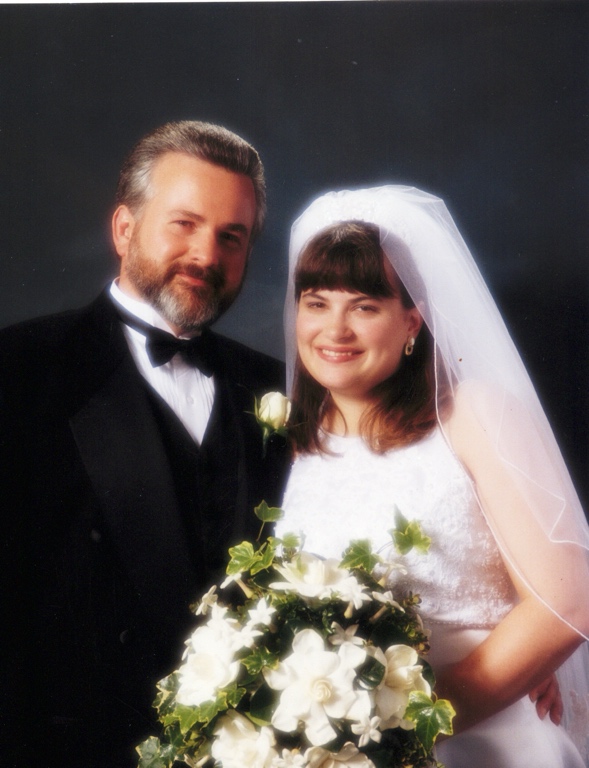
Looking back, I think most parents can identify things they would do differently if they had the chance. There may be conversations we wish we had handled another way, times when we should have listened longer, and moments when we should have said “I love you” more clearly. There are probably occasions when our children were hurting and we did not fully understand what they were trying to tell us. At the time, we may have believed we were doing what was best, but with age comes the uncomfortable realization that good intentions do not always guarantee perfect results.
That is one of the hardest parts of getting older. We cannot go back and fix everything. We can learn from the past, we can apologize when necessary, and we can try to become better people, but we cannot rewrite the years that have already passed. We can only hope that the people we love will see us as a whole person rather than judging us only by our worst moments. We can hope they remember that we were learning too, that we had fears they may never have known about, and that many of our mistakes were made while trying to do what we believed was right.
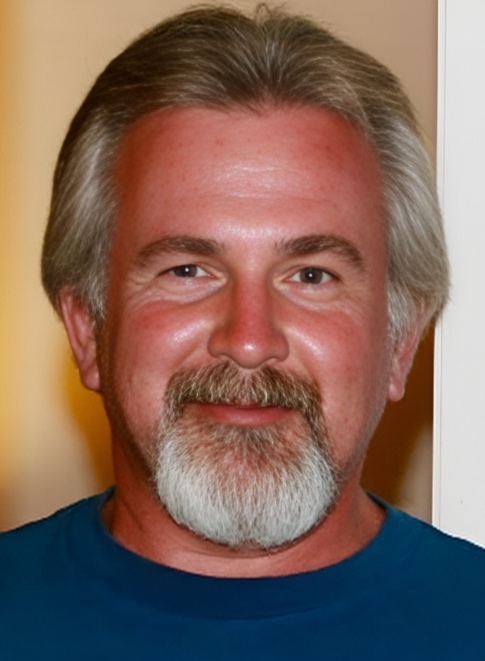
As a parent gets older, I think there is a natural tendency to wonder how our children will remember us someday. We may wonder what stories they will tell about us, which memories will stay with them, and whether they will understand us differently after we are gone. We hope they will remember the good times, the laughter, the holidays, the ordinary dinners, and all the little things that seemed insignificant at the time but ultimately made up a life together. We hope they will remember that even when we made mistakes, the love behind those mistakes was real.
I also hope our children will learn to forgive us for the times when we fell short. Forgiveness does not mean pretending mistakes never happened, and it does not erase hurt. What it can do is allow us to remember a person as more than one bad moment, one bad decision, or one period of life when things were difficult. Every family carries memories of disagreements, misunderstandings, and things that could have been handled better. With enough time, many of those old conflicts begin to look smaller, and we start to understand that very few arguments are worth carrying forever.
There are things our children may never know about us because parents often carry their worries quietly. They may never know how many nights we stayed awake wondering whether they were safe, whether they were happy, or whether we were doing enough for them. They may never know how often we worried about their futures, how proud we were of them, or how deeply we felt their successes and disappointments. They may not remember every sacrifice because many of those sacrifices were made without being announced. That is often the nature of love. It exists in ways that are not always visible at the time.

As I grow older, I understand more clearly that what matters in the end is not whether we lived perfectly, because none of us does. What matters is whether we loved people, whether we tried to do better, whether we learned from our mistakes, and whether we were willing to forgive others and ourselves. Age has taught me that there is very little value in carrying anger for years, especially when the person we are angry with may someday no longer be there. There comes a point when being right matters far less than preserving a relationship.
I hope my children learn that lesson earlier than I did. I hope they forgive one another, forgive themselves, and forgive me where forgiveness is needed. I hope that years from now, when they look back on my life, they do not remember only the times I was wrong or the moments when I failed to understand something. I hope they remember that I was human, that I was learning, and that behind everything was a father who loved them, even when he did not always know the best way to express it.
The older I get, the more I think about what we actually leave behind. We may leave possessions, photographs, books, or keepsakes, but the real legacy is much harder to measure. It lives in the stories people tell, the memories they carry, the values they pass along, and the way they remember how we made them feel. Someday, a child or grandchild may repeat something we used to say, laugh at a familiar family story, or recognize one of our habits in themselves. In those small ways, a part of us continues.
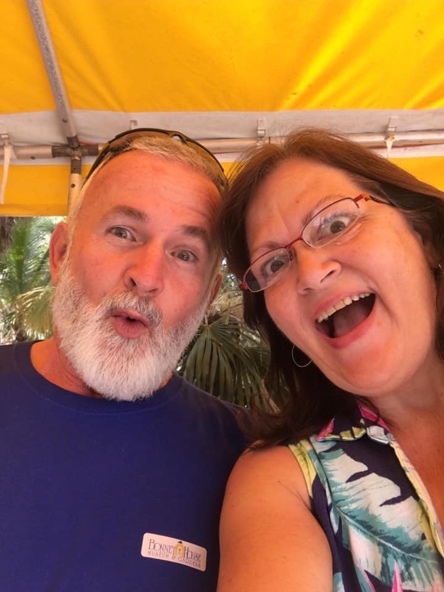
I do not expect to be remembered as perfect, because I was not. I would much rather be remembered honestly and kindly, as someone who tried, who loved his family, who made mistakes, and who understood more about life at the end than he did at the beginning. I would hope my children could look back and see the whole picture, not just the parts where I fell short. I would hope they remember the laughter along with the disagreements, the good days along with the difficult ones, and the love that was always there even when it was not always expressed perfectly.
Perhaps that is one of the greatest changes that comes with getting older. We begin to care less about how successful we appeared and more about how we will be remembered by the people who knew us best. We begin to understand that time is limited, relationships are fragile, and love should never be assumed. We become more aware of the words we wish we had said sooner and the apologies we wish we had offered more quickly. We learn that pride can cost us time we can never get back.

Getting older changes the body, but the deeper changes happen inside us. We become more reflective, more aware of our mistakes, and hopefully more willing to appreciate what truly matters. We begin to understand that life was never about getting everything right. It was about loving people, learning, forgiving, being forgiven, and trying to leave behind more good memories than painful ones.
If my children think of me many years from now, I hope they remember me with warmth rather than judgment. I hope they can forgive the things I got wrong and understand that I was doing the best I knew how to do at the time. I hope they realize that when they were young, I was still learning how to be a parent, just as they were learning how to be children, and that there were no perfect answers waiting for either of us. Most of all, I hope they remember that they were loved, that they were always a source of pride, and that whatever mistakes I made along the way never changed the depth of that love. If they can look back someday and smile when they think of me, then I cannot imagine a better way to be remembered.
Howard Mark Hines


Leave a Reply