

Most people visiting the beaches of Palm Beach County never give much thought to where all that beautiful sand comes from…or where it goes.
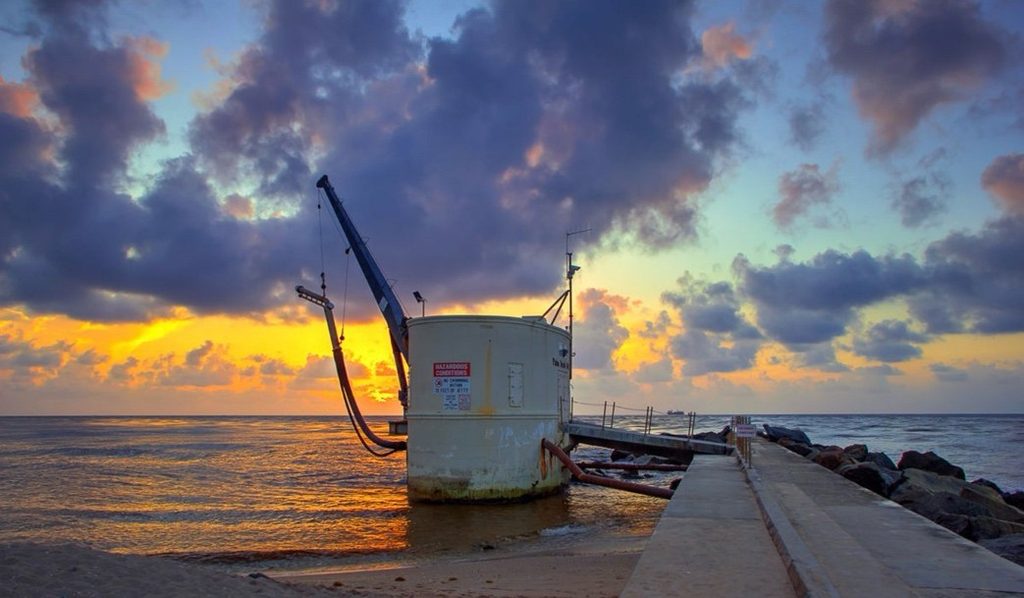
But along our coastline are two unusual pieces of machinery that have been quietly working for decades to help keep sand moving in the direction nature intended. They are known as sand transfer plants, or more simply, sand pumps, and Palm Beach County has two permanent ones, one at the Lake Worth Inlet, commonly called the Palm Beach Inlet, and another at the South Lake Worth Inlet, better known as the Boynton Inlet.
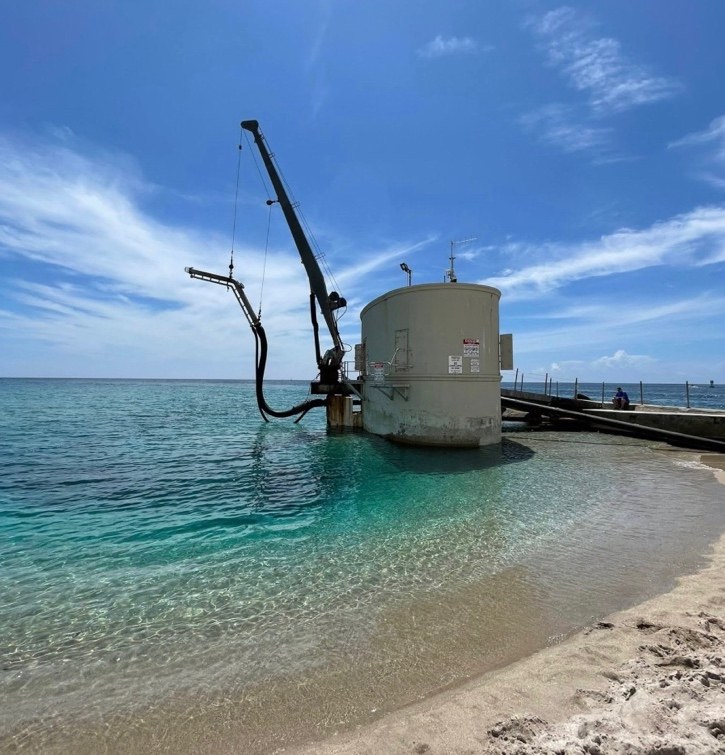
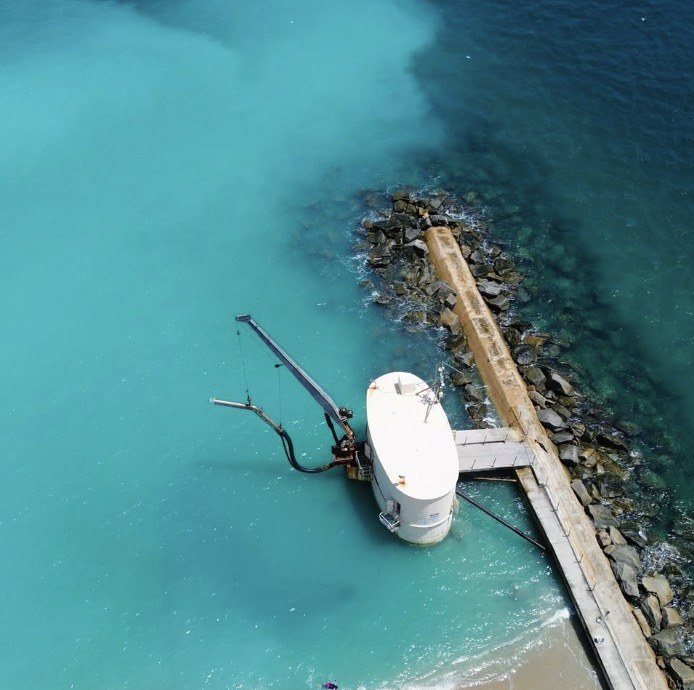
And what you might not know is that these two permanent sand pumps are the only two in the state of Florida.
Their job sounds simple. Pick up sand on one side of an inlet and pump it to the other.
But the reason they exist tells an interesting story about what happened when people began changing Florida’s coastline.

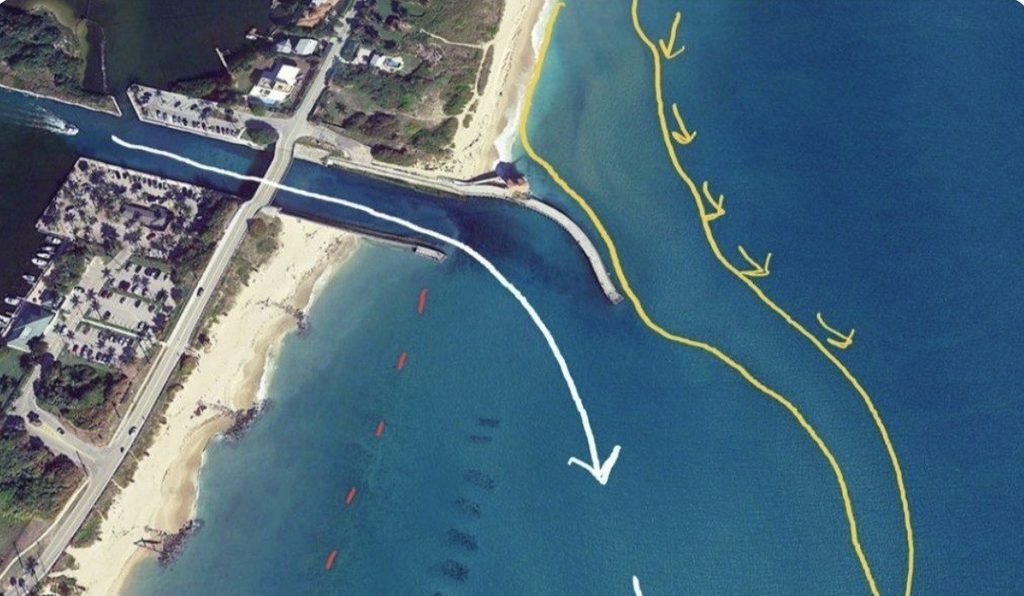
Sand along Palm Beach County’s Atlantic shore is constantly on the move. Waves, wind and currents carry it in both directions, but the predominant movement here is toward the south. Think of the shoreline as a slow-moving river of sand.
Then humans built and stabilized inlets.
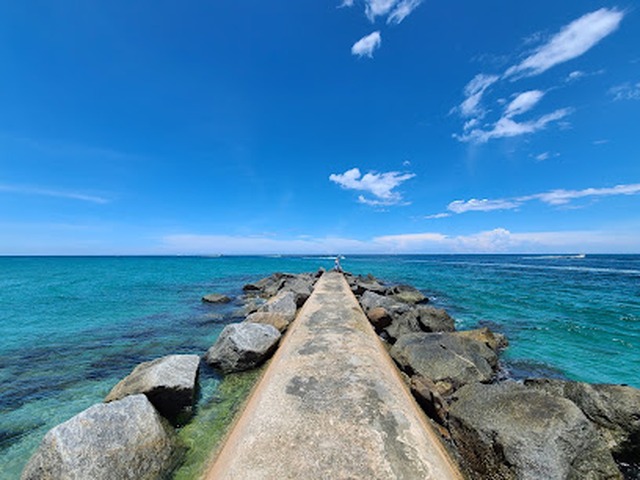
Rock jetties extending into the ocean interrupted that natural movement. Sand began piling up on the north side of the inlets, while beaches immediately to the south were deprived of sand they would normally have received. Over time, those southern beaches could erode.
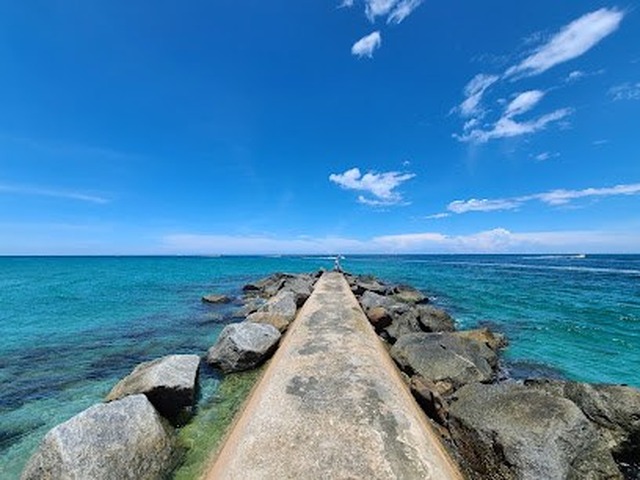
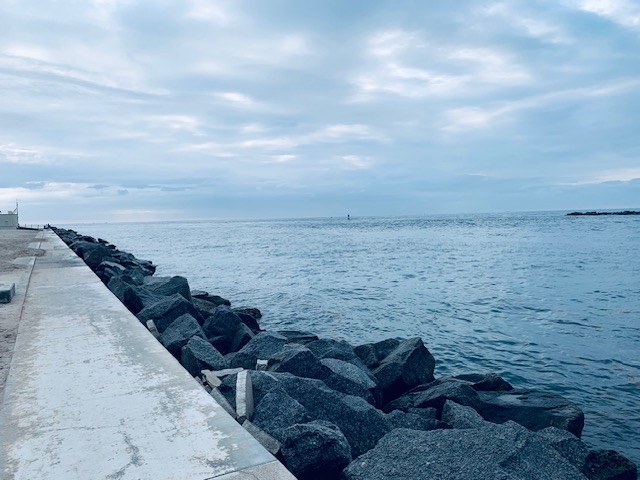
Engineers needed a way to get the sand around the obstruction.
The answer was the sand pump.
A Palm Beach County First
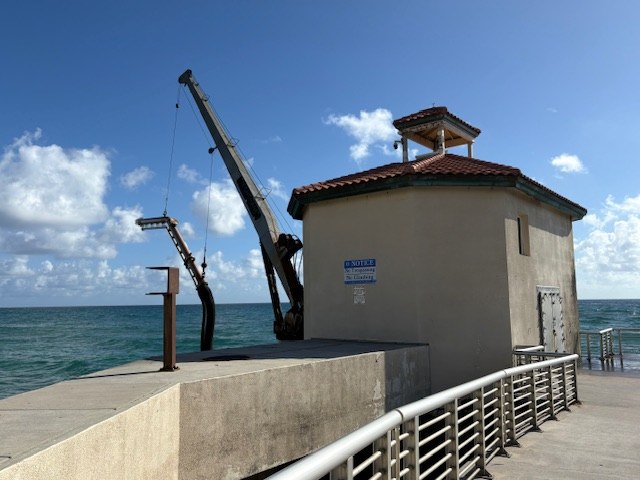
The South Lake Worth Inlet at Boynton Beach has an especially fascinating history. The man-made inlet was completed in 1927, connecting the Intracoastal with the Atlantic Ocean. Just ten years later, in 1937, a permanent sand transfer plant was constructed on its north side.
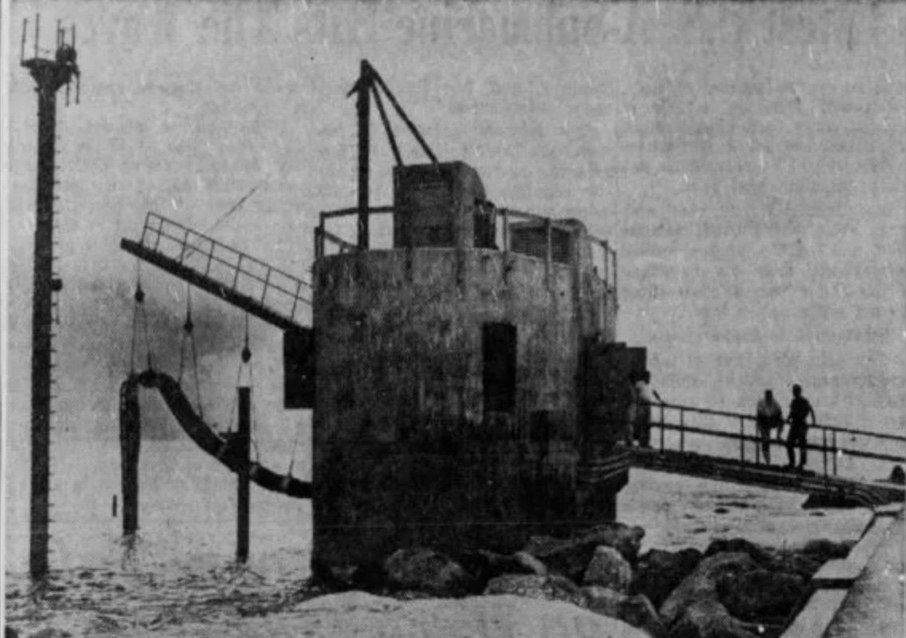
That Boynton Inlet facility is widely recognized as the first fixed sand transfer plant of its kind in the world.
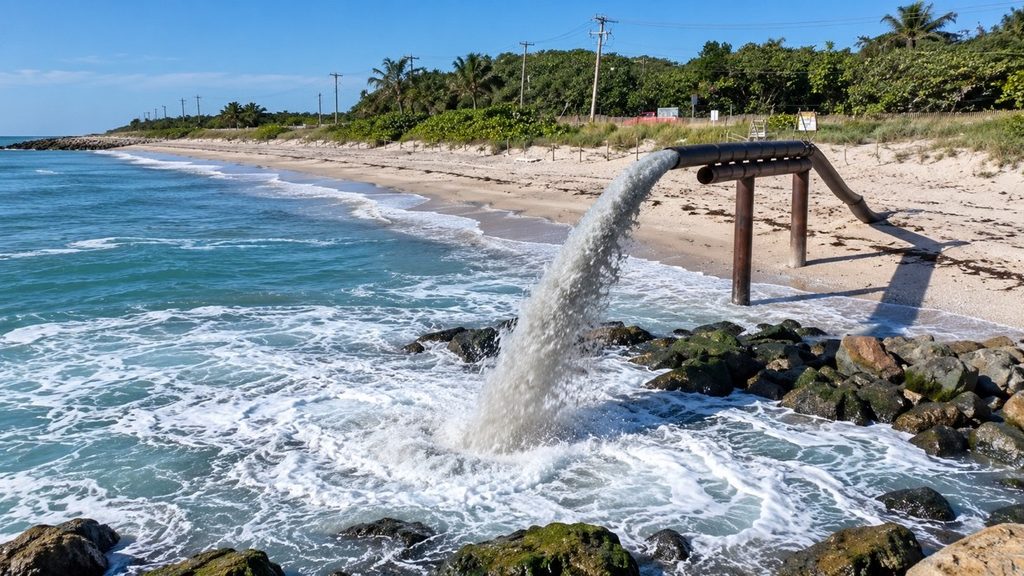
Its purpose was straightforward. Sand collecting against the north jetty could be sucked up, mixed with water, moved through a pipeline, and discharged onto the beach south of the inlet.
The original plant was rebuilt in 1967, and Palm Beach County constructed a new modern facility in 2011. Today, the county reports that the plant transfers approximately 70,000 cubic yards of sand each year to beaches south of Boynton Inlet.
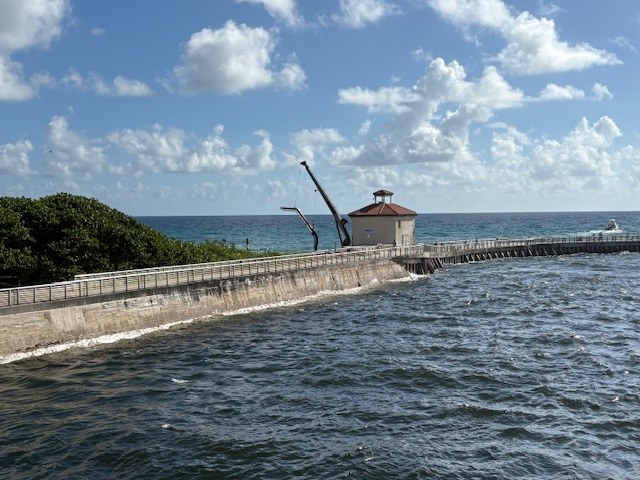
That is a remarkable amount of sand quietly being returned to the coastal system.
The Palm Beach Inlet Pump
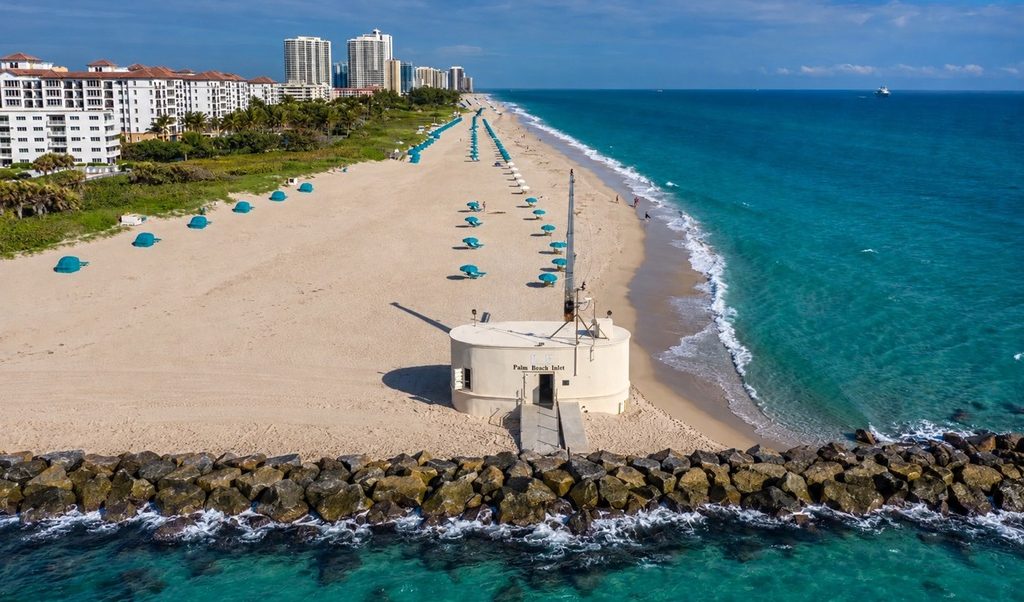
Farther north, another permanent sand transfer plant operates at the Lake Worth, or Palm Beach, Inlet located in Palm Beach Shores on Singer Island.
The facility began operating in 1958 along the north jetty. Like its Boynton counterpart, it collects sand that would otherwise accumulate on the north side and sends it beneath or around the inlet to the shoreline on the south side. Historical records show that the plant has been moving sand around the Palm Beach Inlet for more than six decades.
These systems do more than make our beaches look pretty.
Keeping sand moving helps protect roads, buildings and coastal property from storms. Wider beaches provide recreational space and important habitat, including nesting areas for sea turtles. Moving accumulated sand can also help prevent it from becoming trapped in inlet shoals and interfering with navigation.


That is what makes these two machines so interesting to me.
Thousands of people cross the Boynton Inlet bridge, travel through the Palm Beach Inlet, fish from nearby jetties, or spend the day on these beaches without realizing that an engineering system is working nearby to imitate a natural process interrupted nearly a century ago.
The sand pumps literally pump sand mixed with water through pipes, and at the Palm Beach Inlet the pipe runs right UNDER the inlet. The Boynton plant alone moves about 70,000 cubic yards of sand a year, every year. To put this in perspective, that is roughly 7,000 dump truck loads of sand moved without a single truck ever hitting the road.
They are not famous landmarks.
They do not appear on many tourist brochures.
But grain by grain, year after year, Palm Beach County’s two permanent sand pumps continue doing their part to keep our coastline moving…and to preserve the beaches generations of South Floridians have come to love.
Another interesting fact about the sand pump on Singer Island is that it is said to sit near the easternmost point of Florida.

Leave a Reply