Palm Beach Notes

From the writing desk of Howard Mark Hines

Category: Local History

  • Every Life Leaves a Story

    Every Life Leaves a Story

    There is something about a cemetery that makes the world slow down. My wife (Janet) and I have spent many hours walking through cemeteries all around Palm Beach County and beyond. Sometimes we are looking for one particular grave, sometimes we are cleaning a headstone for someone who asked for our help, and sometimes we are simply exploring a place we have never been before. What started as something we did now and then has become one of the most meaningful things we do together.

    People often reach out to us because someone they love is buried here and they are not able to visit. Many of them live hundreds or even thousands of miles away. Some are getting older and can no longer travel, and some have never stood at the grave at all. When we can, we find the grave, carefully clean the headstone, and take photographs so the family can see that their loved one’s resting place has not been forgotten and always include the GPS coordinates so they can search the location on Google Maps or other maps. It may seem like a small thing, but I have learned that to the person waiting on the other end, that photograph can mean the world.

    We also spend a good deal of time finding and photographing graves for Find a Grave and BillionGraves. These websites let people all over the world search for parents, grandparents, veterans, old friends and ancestors they never had the chance to meet. Sometimes a photograph we take is the very first time a descendant ever sees the resting place of someone they have spent years trying to find. Knowing that a few minutes of our time might help finish a family’s story makes every trip worth it to us. For us its an honor. Many people do not understand why we do this and thats ok, we do it because it makes us happy, and we do it together as a couple.

    Hidden Beneath the Grass

    Some of the graves we visit are flat bronze markers set right into the ground, and over the years they slowly vanish. Grass clippings from the mowers settle over them each time the cemetery is cut. Blowing sand and dirt pile up on top, and little by little the grass grows right across them, until one day there is nothing left to see. You could walk right over one and never know a person was resting there.

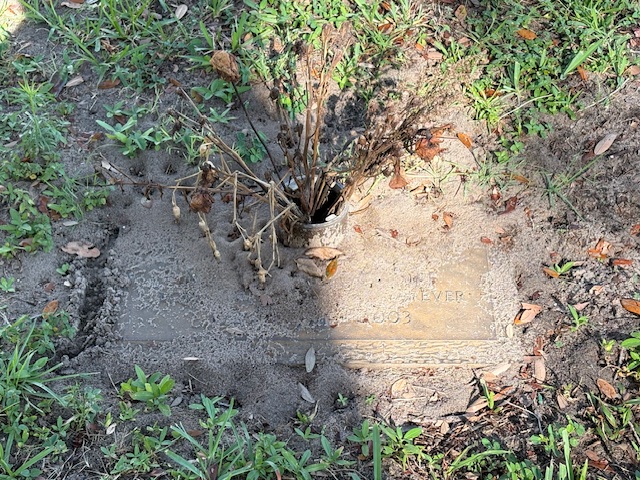
    That is exactly how we found Sgt. James S. Fogleman. At his grave there was nothing but a patch of grass, the same as all the grass around it. So we got down on our knees and started gently cutting back the sod and brushing away the dirt, a little at a time.
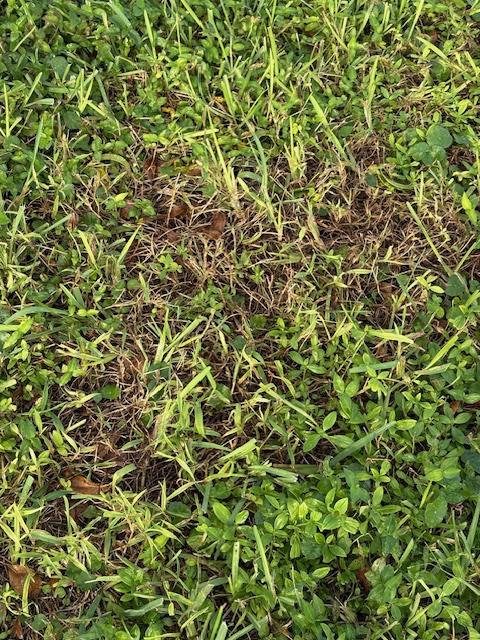
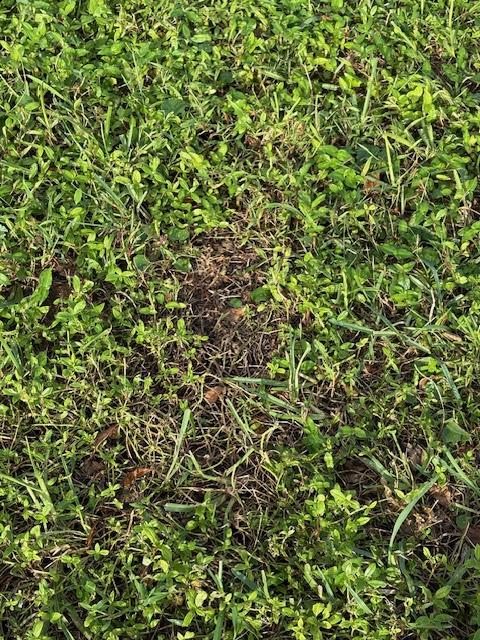
    Sgt. Fogleman’s grave as we found it, completely covered over
    Not a single letter of his marker could be seen

    Slowly his name began to show through. Then the dates appeared. August 10, 1935, and March 25, 1963. He was only twenty seven years old. When the last of the dirt was gone and the bronze was cleaned, a small American flag was placed beside him. For the first time in a very long while, anyone walking by could see who was resting there. I will not pretend that moment did not get to me. A young man who served his country had been lying beneath the grass, forgotten by everyone who passed, and now his name could be read again.
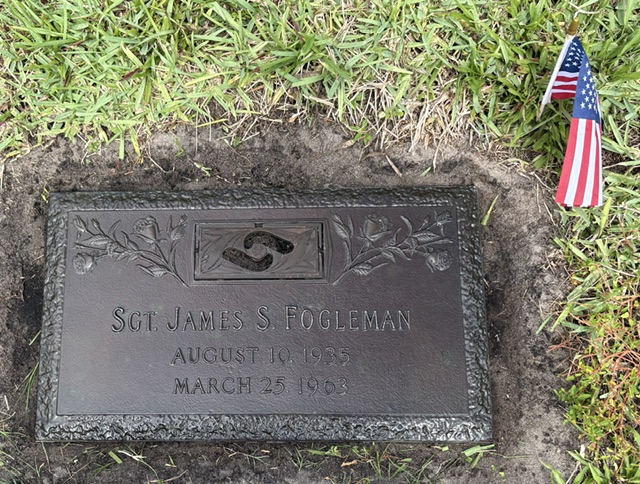
    Sgt. James S. Fogleman, uncovered, cleaned and honored once again

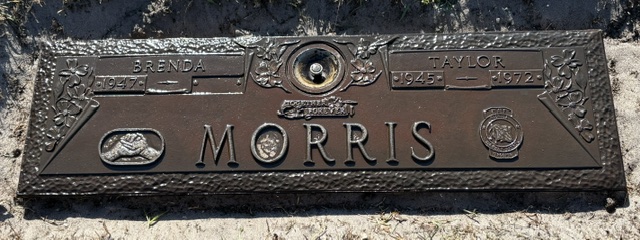
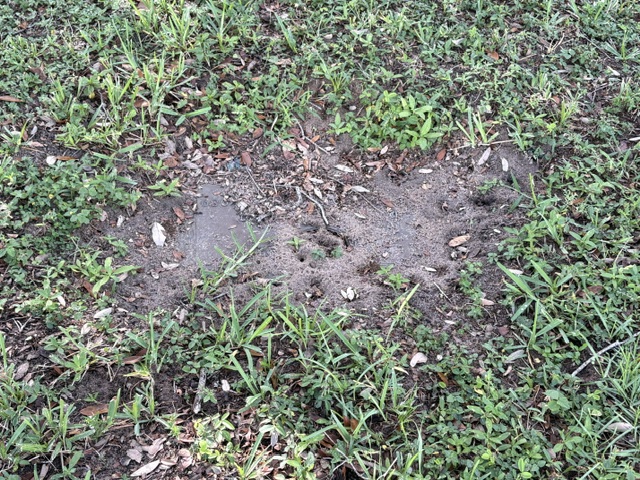
    The Morris marker was another one the grass had nearly swallowed. All that showed was a faint outline in the dirt, and it took patience and a lot of careful work to bring it back. When we finished, the bronze shined in the sun again, and the family’s name was clear for everyone to see.
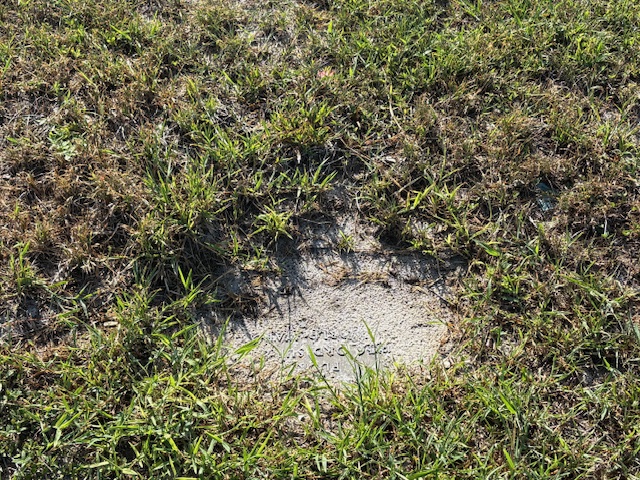
    The Morris marker, barely visible through the grass
    Partway uncovered, with the outline of the bronze starting to show
    Almost there, with the bronze plaque coming back into view

    Why South Florida Is Different

    People are often surprised to learn that you cannot clean a headstone in South Florida the same way you would up north, because doing so could ruin it. Our strong sun and salty air take a real toll on stone and bronze. Over the years I have worked out a careful way of cleaning every type of headstone that suits our environment here. I start with soft brushes to remove the bulk of the dirt and debris. Then I clean with plain distilled water first, and a little Dawn dishwashing liquid after that. I use several different solutions along the way, and I let the headstone dry completely between each cleaning. On stone headstones I finish with D2 Biological Solution, a cemetery approved cleaner. On bronze markers I finish with a special cemetery approved bronze restoration oil that brings back their color and helps protect them from the weather. From start to finish, I usually spend two to three hours on each headstone before I feel it is done right.
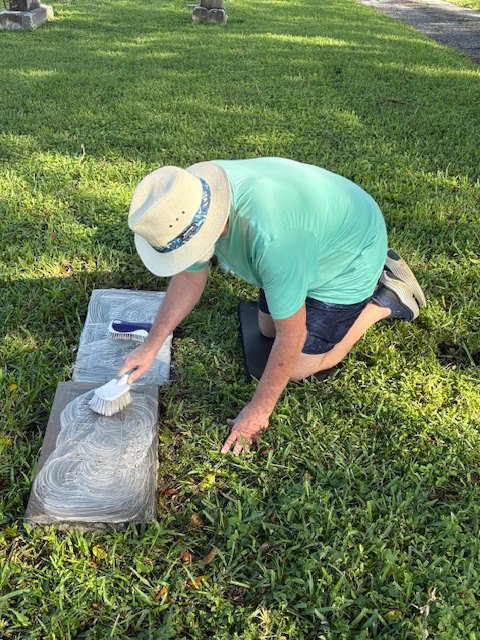
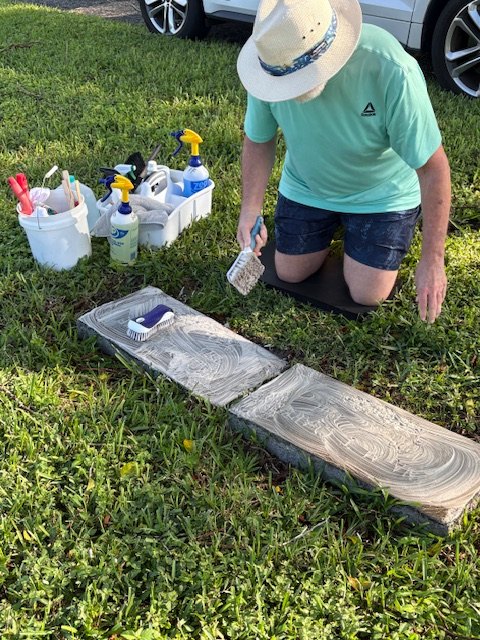
    Working the cleaner into a pair of stone markers with a soft brush
    Working the cleaner into a pair of stone markers with a soft brush
    My cleaning kit close at hand while I work
    My cleaning kit close at hand while I work

    None of this would happen without Janet. She has been my navigator for 52 years now, including every time we go looking for these headstones. She is right there with me on every trip, helping in more ways than I can count. Just as important is her moral support, which keeps me going on the long days in the sun. This work is truly something we share.

    Every Name Is a Life

    Our travels have taken us through cemeteries large and small all over the county, and every one of them has its own personality. Some are beautifully landscaped, with towering palms, old shade trees, flowers and fountains. Others are simple and quiet, with weathered stones that have stood beneath the Florida sun and rain for generations. Some sit right beside busy roads, yet the moment you walk through the gates the noise seems to fade away.

    We have found that cemeteries are not frightening or gloomy places at all. Most of them are incredibly peaceful. Birds move through the trees, squirrels dart across the grass, and sunlight filters through the branches onto names and dates that tell pieces of stories from another time. When you start reading the headstones, you realize that every name stands for a life. Someone was a mother, a father, a husband, a wife, a child, a soldier, a teacher, a neighbor or a friend. Someone once laughed with them, worried about them, held them, and one day had to say goodbye.

    That is why we do this. Cleaning a headstone or taking a photograph cannot bring anyone back, but it can help keep their memory alive. It can bring a family a little closer to its history, and it reminds us that no one should disappear just because many years have passed.

    If you have a loved one resting in a Palm Beach County cemetery and you are not able to visit, please feel free to reach out to me. If I can, I will be glad to find the grave, clean the headstone and send you a photograph.

    My wife and I have traveled many roads through Palm Beach County and beyond, searching for cemeteries and the people resting within them. Along the way we have found beautiful places, remarkable history, and a peace that is hard to describe until you feel it yourself. For us, every visit is a reminder of something simple. Every life leaves a story behind, and every story deserves to be remembered.

    At the end of every day in a cemetery, no matter how tired I am, I always make time to sit with an angel. There is usually one somewhere nearby, carved in stone and keeping her quiet watch over the people resting around her. I sit down beside her for a while and let the day settle. Neither of us is ever in a hurry. I always listen to the story she has to tell me, and she always listens to mine. Together we enjoy the peace and quiet of each other’s company. We listen to the sound of the palm fronds moving in the wind, in the presence of so many who have been lost and forgotten, knowing that one day one of them will be me.
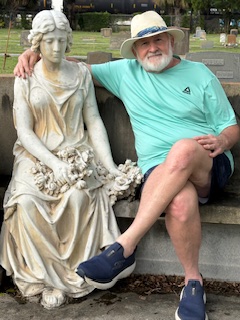
    “At the end of the day, sitting with an angel, telling each other our stories”
  • These Two Sand Pumps are  Quietly Protecting Palm Beach County’s Beaches

    These Two Sand Pumps are Quietly Protecting Palm Beach County’s Beaches

    Most people visiting the beaches of Palm Beach County never give much thought to where all that beautiful sand comes from…or where it goes.

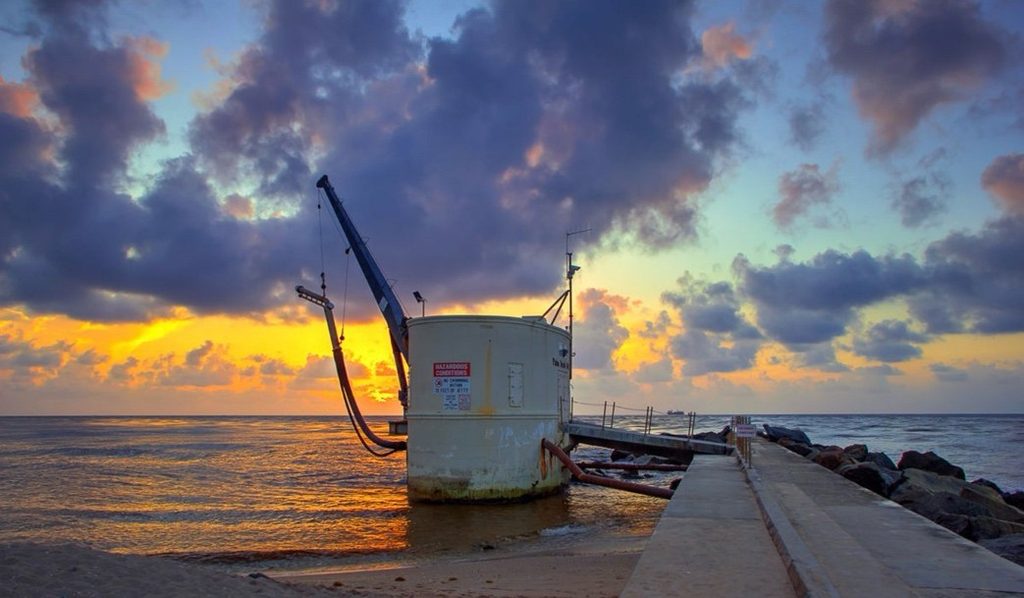
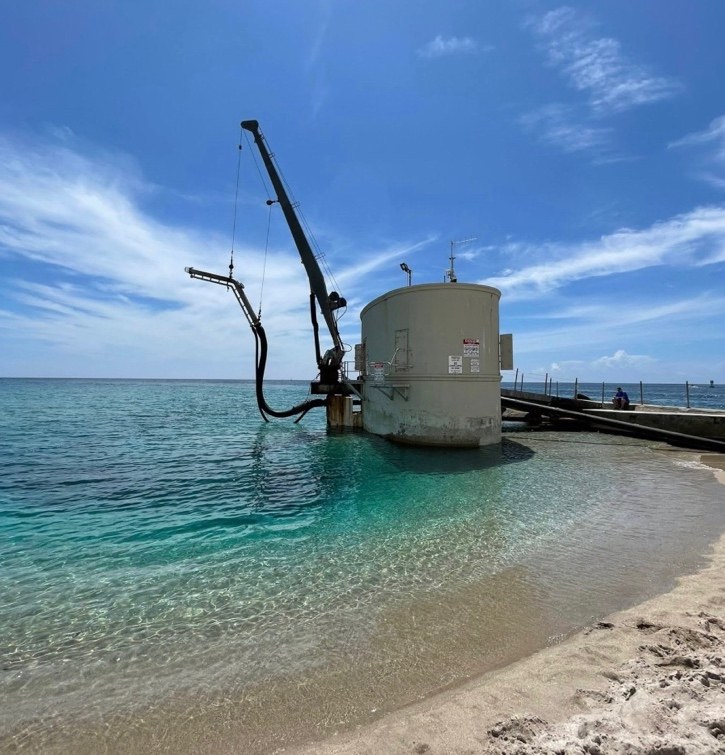
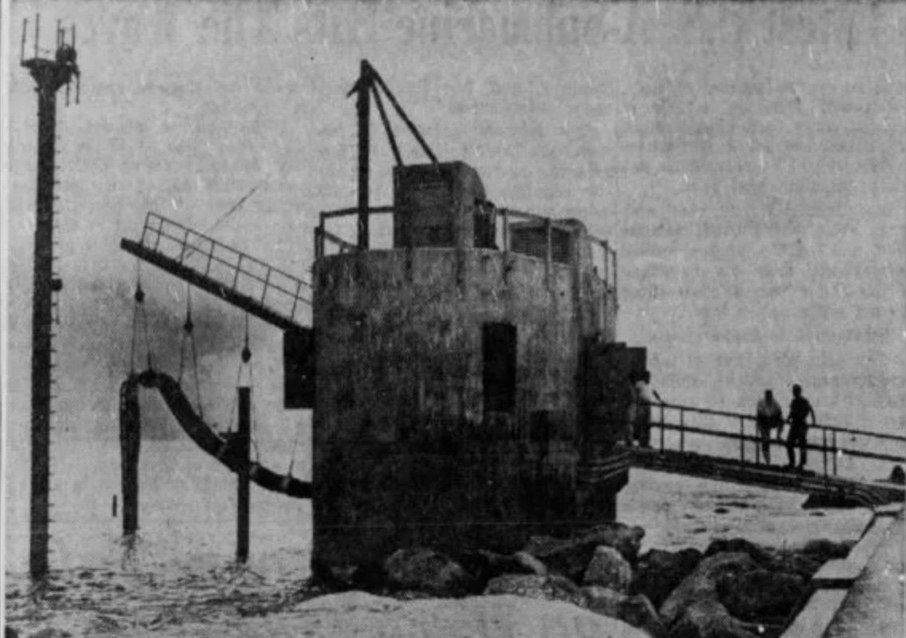
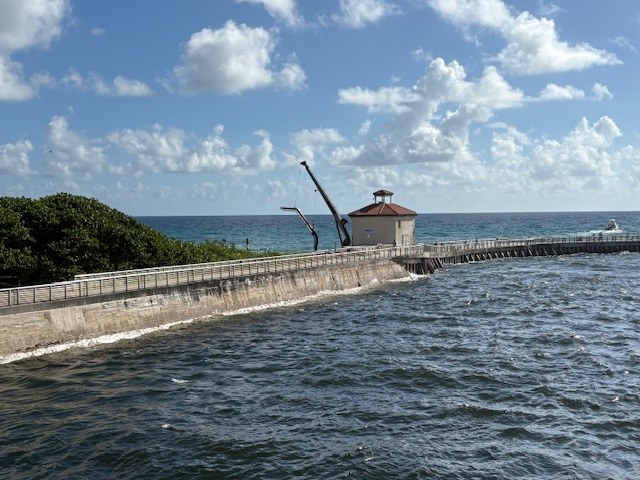
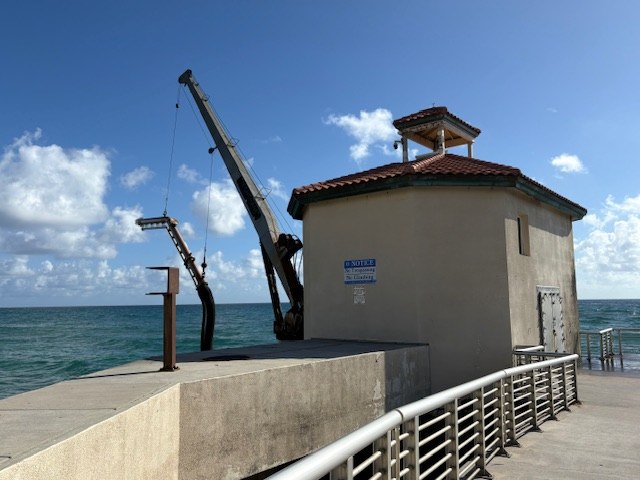
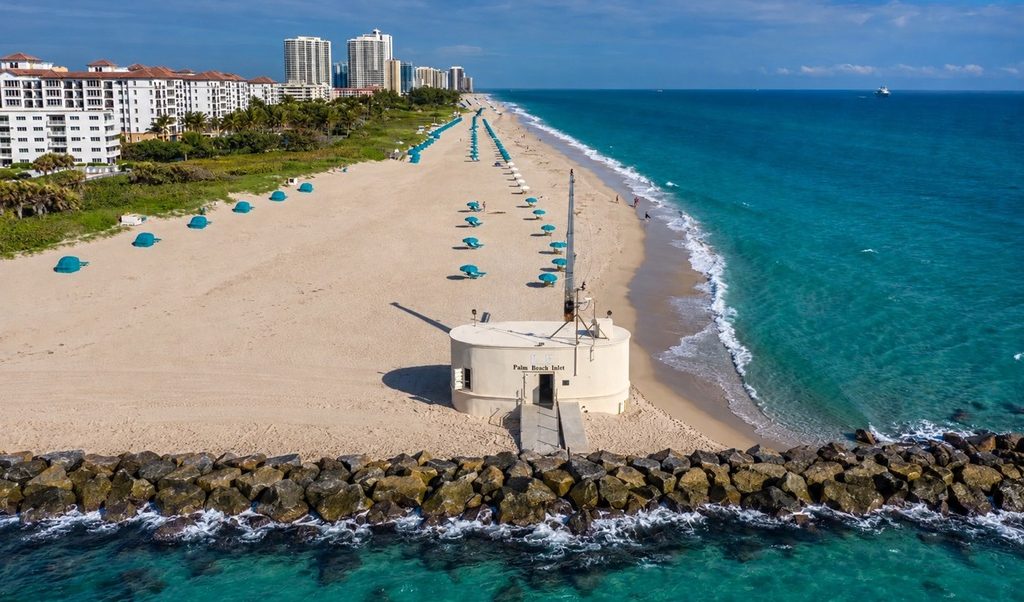
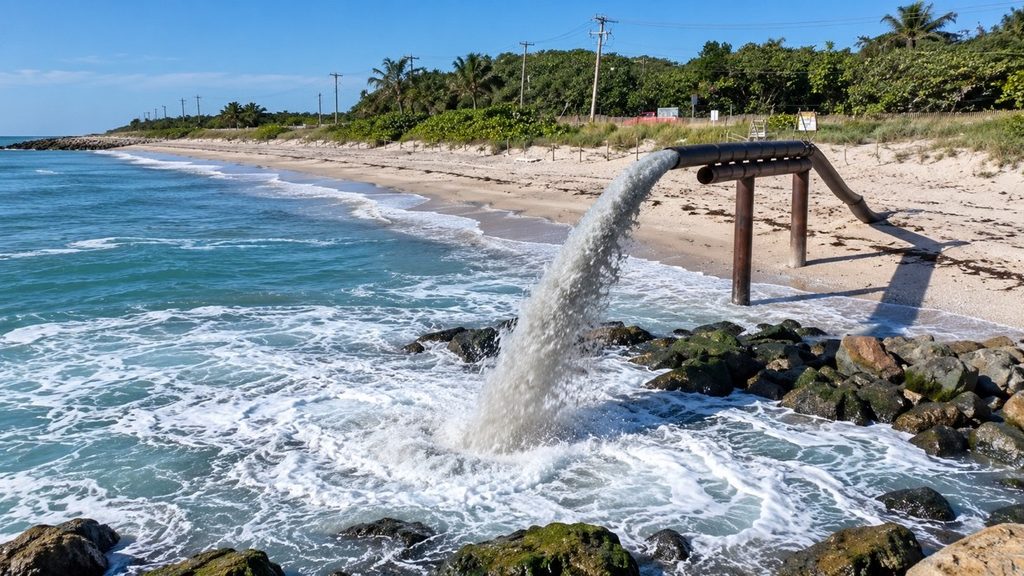
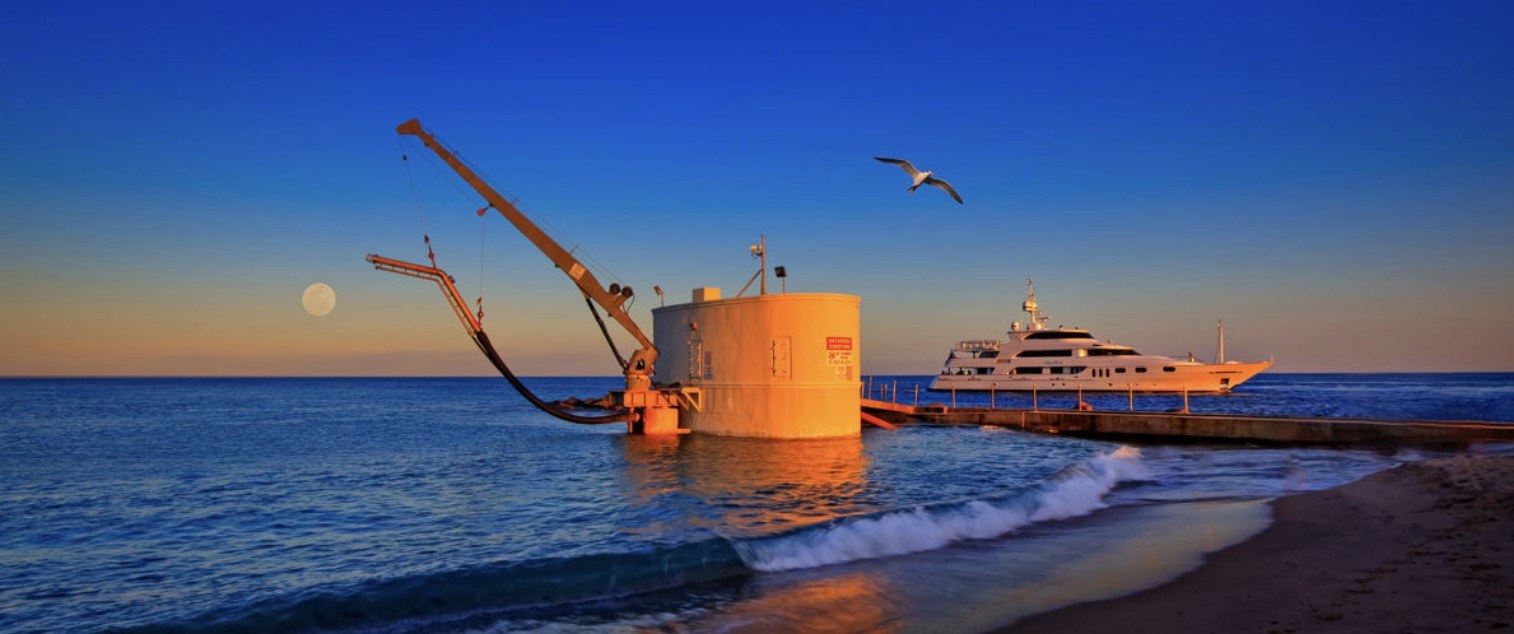
    But along our coastline are two unusual pieces of machinery that have been quietly working for decades to help keep sand moving in the direction nature intended. They are known as sand transfer plants, or more simply, sand pumps, and Palm Beach County has two permanent ones, one at the Lake Worth Inlet, commonly called the Palm Beach Inlet, and another at the South Lake Worth Inlet, better known as the Boynton Inlet.

    And what you might not know is that these two permanent sand pumps are the only two in the state of Florida.

    Their job sounds simple. Pick up sand on one side of an inlet and pump it to the other.

    But the reason they exist tells an interesting story about what happened when people began changing Florida’s coastline.

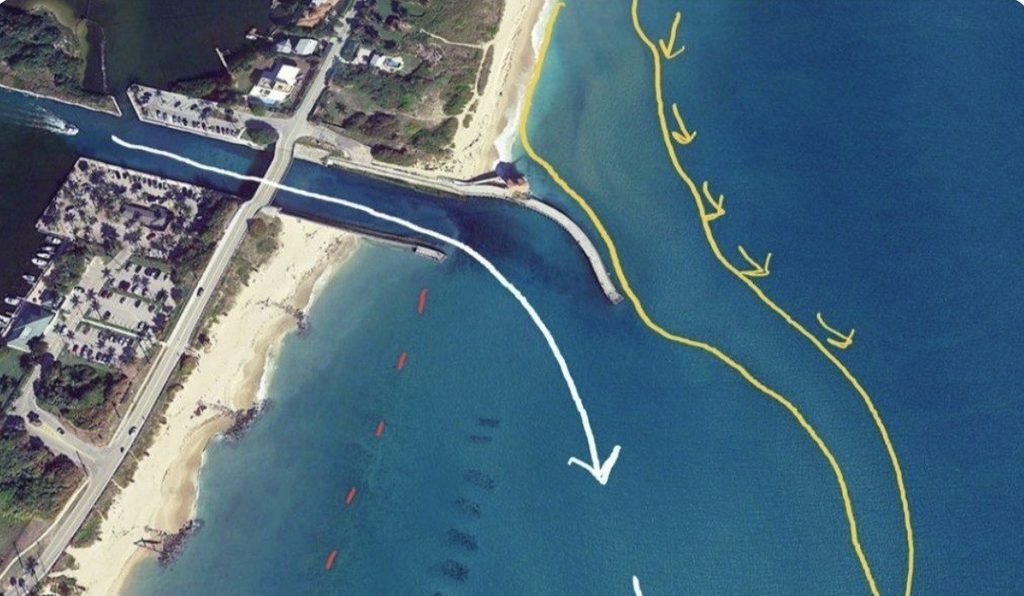
    Sand along Palm Beach County’s Atlantic shore is constantly on the move. Waves, wind and currents carry it in both directions, but the predominant movement here is toward the south. Think of the shoreline as a slow-moving river of sand.

    Then humans built and stabilized inlets.

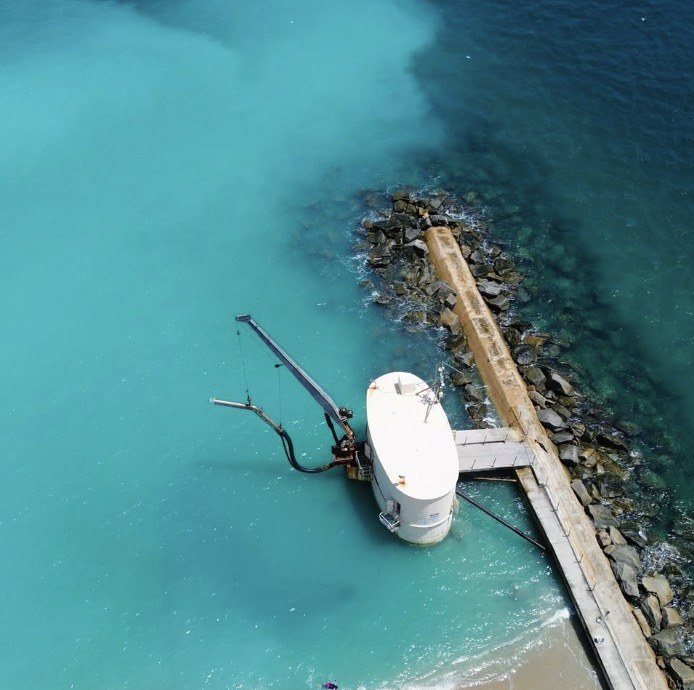
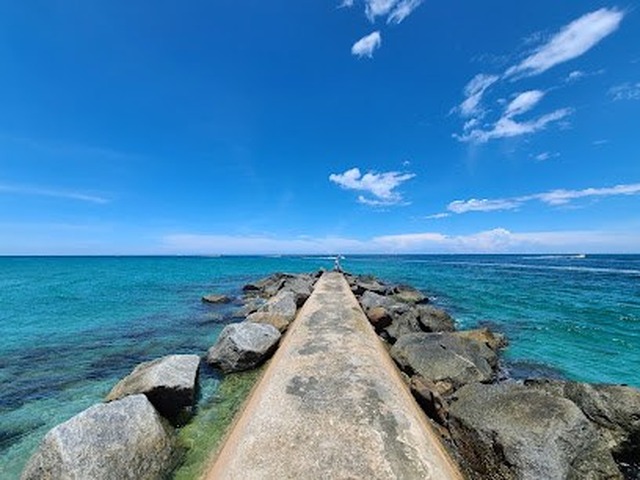
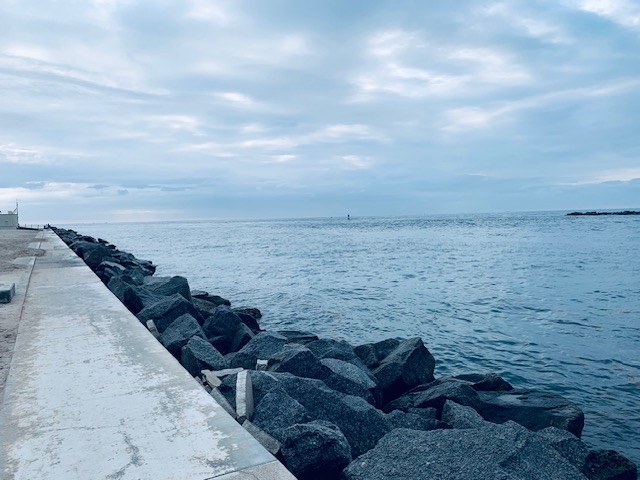
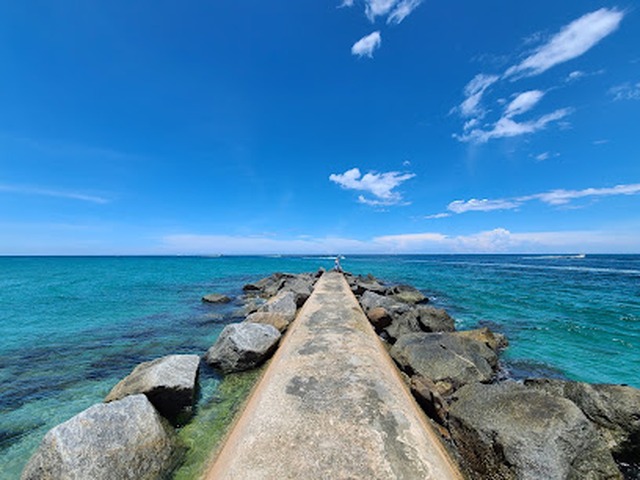
    Rock jetties extending into the ocean interrupted that natural movement. Sand began piling up on the north side of the inlets, while beaches immediately to the south were deprived of sand they would normally have received. Over time, those southern beaches could erode.

    Engineers needed a way to get the sand around the obstruction.

    The answer was the sand pump.

    A Palm Beach County First

    The South Lake Worth Inlet at Boynton Beach has an especially fascinating history. The man-made inlet was completed in 1927, connecting the Intracoastal with the Atlantic Ocean. Just ten years later, in 1937, a permanent sand transfer plant was constructed on its north side.

    That Boynton Inlet facility is widely recognized as the first fixed sand transfer plant of its kind in the world.

    Its purpose was straightforward. Sand collecting against the north jetty could be sucked up, mixed with water, moved through a pipeline, and discharged onto the beach south of the inlet.

    The original plant was rebuilt in 1967, and Palm Beach County constructed a new modern facility in 2011. Today, the county reports that the plant transfers approximately 70,000 cubic yards of sand each year to beaches south of Boynton Inlet.

    That is a remarkable amount of sand quietly being returned to the coastal system.

    The Palm Beach Inlet Pump

    Farther north, another permanent sand transfer plant operates at the Lake Worth, or Palm Beach, Inlet located in Palm Beach Shores on Singer Island.

    The facility began operating in 1958 along the north jetty. Like its Boynton counterpart, it collects sand that would otherwise accumulate on the north side and sends it beneath or around the inlet to the shoreline on the south side. Historical records show that the plant has been moving sand around the Palm Beach Inlet for more than six decades.

    These systems do more than make our beaches look pretty.

    Keeping sand moving helps protect roads, buildings and coastal property from storms. Wider beaches provide recreational space and important habitat, including nesting areas for sea turtles. Moving accumulated sand can also help prevent it from becoming trapped in inlet shoals and interfering with navigation.

    That is what makes these two machines so interesting to me. 

    Thousands of people cross the Boynton Inlet bridge, travel through the Palm Beach Inlet, fish from nearby jetties, or spend the day on these beaches without realizing that an engineering system is working nearby to imitate a natural process interrupted nearly a century ago.

    The sand pumps literally pump sand mixed with water through pipes, and at the Palm Beach Inlet the pipe runs right UNDER the inlet. The Boynton plant alone moves about 70,000 cubic yards of sand a year, every year. To put this in perspective, that is roughly 7,000 dump truck loads of sand moved without a single truck ever hitting the road.

    They are not famous landmarks.

    They do not appear on many tourist brochures.

    But grain by grain, year after year, Palm Beach County’s two permanent sand pumps continue doing their part to keep our coastline moving…and to preserve the beaches generations of South Floridians have come to love.

    Another interesting fact about the sand pump on Singer Island is that it is said to sit near the easternmost point of Florida.

  • Keeping Watch Over Two Little Graves on Via Mizner

    Keeping Watch Over Two Little Graves on Via Mizner

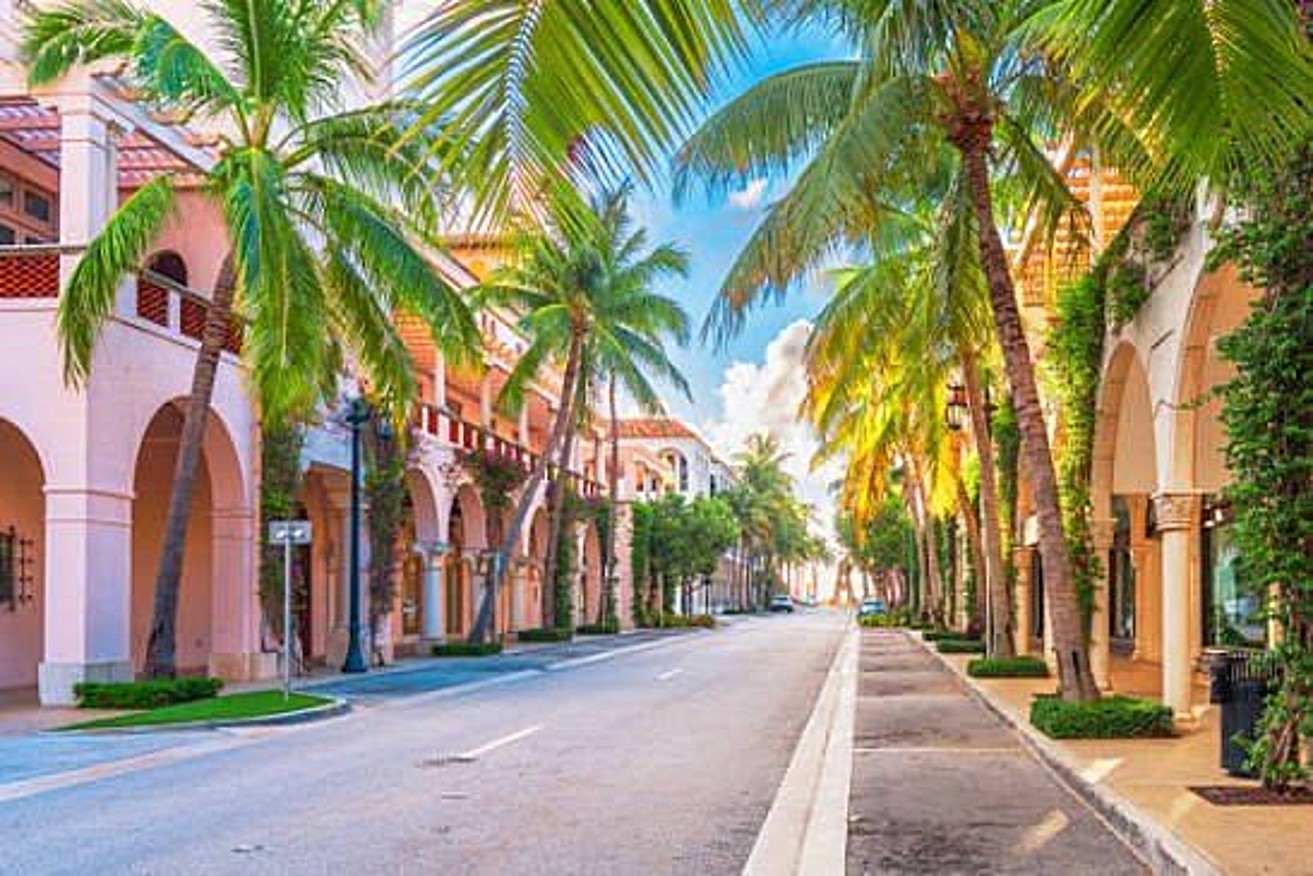
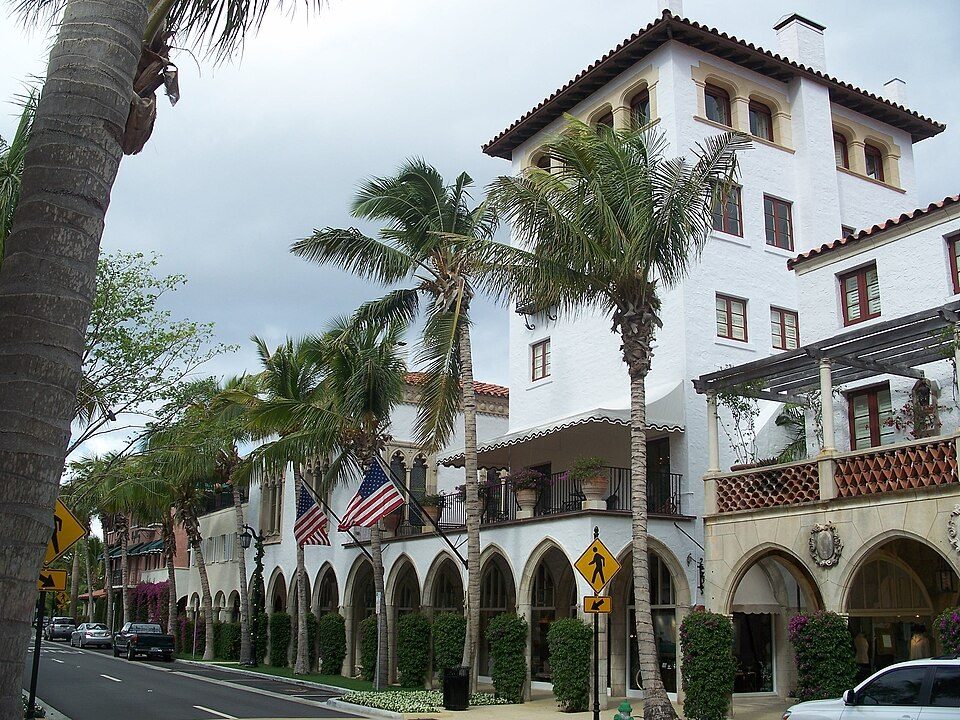
    Palm Beach is famous for the shops along Worth Avenue. Tiffany, Gucci, Louis Vuitton and Loro Piana all sit within a stone’s throw of one another, and on most afternoons the sidewalks are busy with shoppers, window browsers and visitors stopping to take pictures.

    Palm trees along Worth Avenue in Palm Beach
    Worth Avenue, lined with palms and some of the most famous shops in the world

    But there are places in Palm Beach where you can walk only a few steps and feel as though you have traveled much farther, maybe even back in time. For my wife and me, one of those places is Via Mizner, just off Worth Avenue.

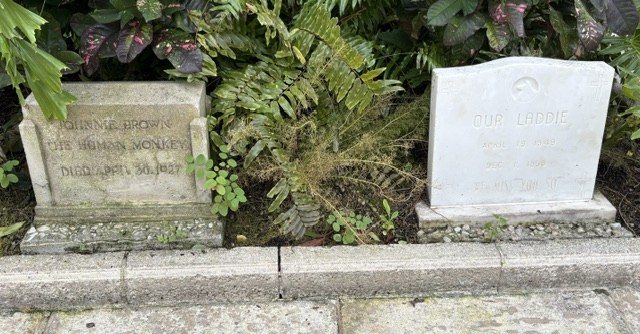
    Tucked among the courtyards, old stucco walls, archways, flowers and tropical greenery are two small headstones that most people walk right past without ever noticing. They belong to Johnnie Brown and Our Laddie.

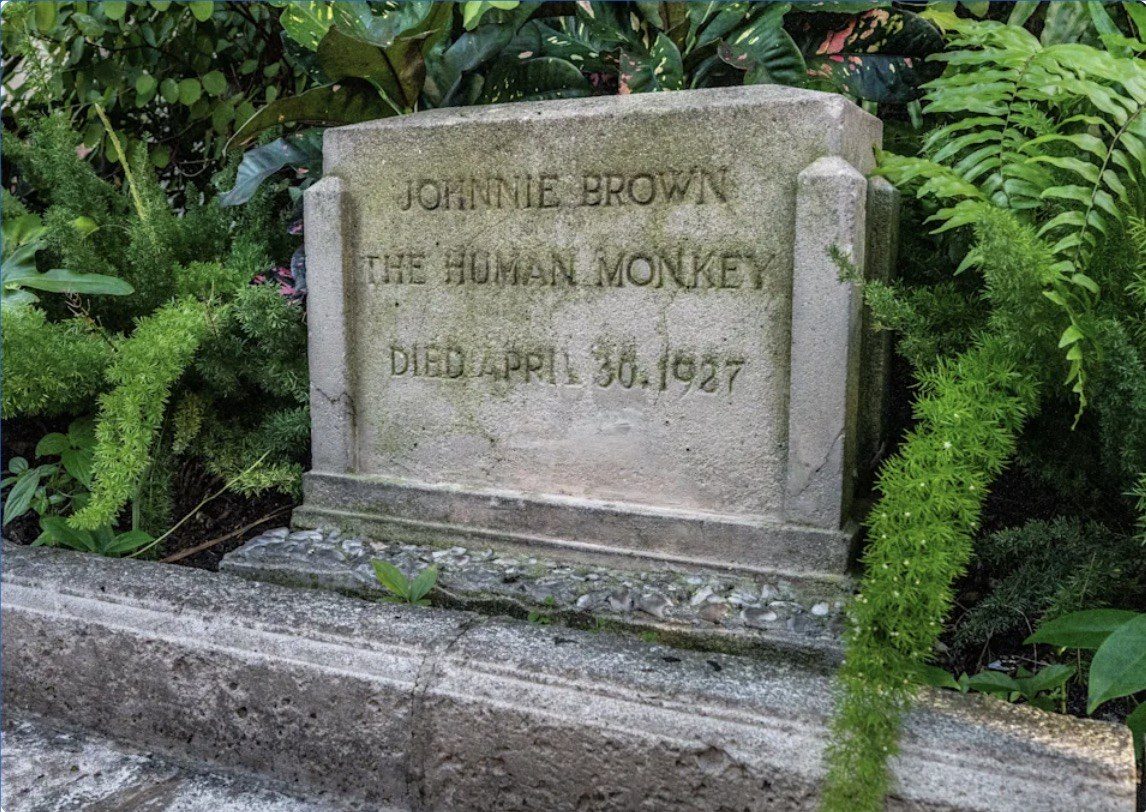
    Johnnie Brown was the beloved spider monkey of Addison Mizner, the famed architect whose imagination gave so much of old Palm Beach its unmistakable character. Johnnie was Mizner’s constant companion, and people around town often saw him riding on the architect’s shoulder. When Johnnie died on April 30, 1927, Mizner buried him near his home on Via Mizner. His headstone still calls him “The Human Monkey,” which tells you a good deal about how Mizner felt about him.

    Headstone reading Johnnie Brown, The Human Monkey, Died April 30, 1927
    Johnnie Brown’s headstone, “The Human Monkey,” who died April 30, 1927

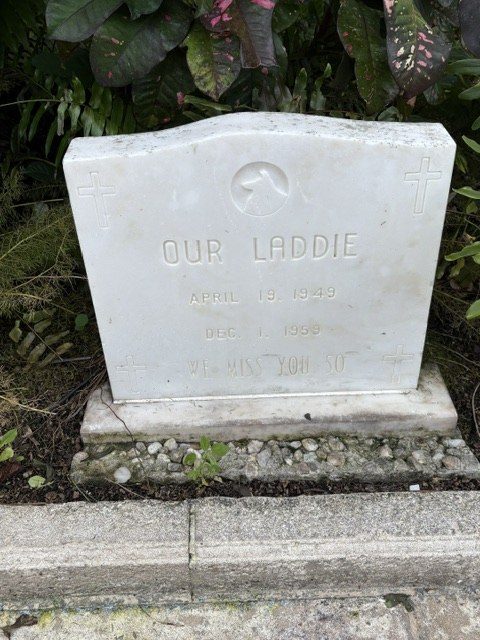
    Years later, Rose and Morton Sachs, who came to live in the villa, buried their dog Laddie beside him. Laddie’s white marble stone has a small dog’s head carved at the top and the words “Our Laddie” beneath it. He was born April 19, 1949, and died December 1, 1959, and at the bottom his family added four simple words, “We Miss You So.” Together those two small graves have become one of the most unusual and endearing pieces of Palm Beach history.

    White marble headstone reading Our Laddie, April 19, 1949, Dec. 1, 1959, We Miss You So
    Our Laddie, April 19, 1949, to December 1, 1959, “We Miss You So”

    My wife and I have taken it upon ourselves to help care for these two little headstones. They are among several headstones and monuments in the area that we help maintain.

    There is something meaningful about it that is hard to put into words. We know Johnnie Brown and Laddie were animals, but those two stones stand for something very human, and that is love, companionship and remembrance. Someone cared enough about each of them to make sure their lives would be remembered. Nearly a century later, we feel that history still deserves to be cared for.

    If you would like to visit them yourself, the headstones are located at GPS coordinates 26.701191, -80.040476. Please treat the spot gently when you go. These are graves, after all, and the courtyard around them belongs to the people who live and work there.

    The setting makes it even more special. Walking through the vias along Worth Avenue is one of my favorite things to do in Palm Beach. Via Mizner and Via Parigi were the original vias Addison Mizner designed in the 1920s. He laid them out with narrow pedestrian passages, courtyards, arches, fountains and lush plantings, all meant to give visitors the feeling of wandering through an old Mediterranean village.

    Mizner's Mediterranean style tower building on Worth Avenue
    The Mizner buildings on Worth Avenue at the entrance to Via Mizner

    But when I walk through them, I feel something a little different. To me it feels almost like stepping into Paris or Buenos Aires in the 1950s.

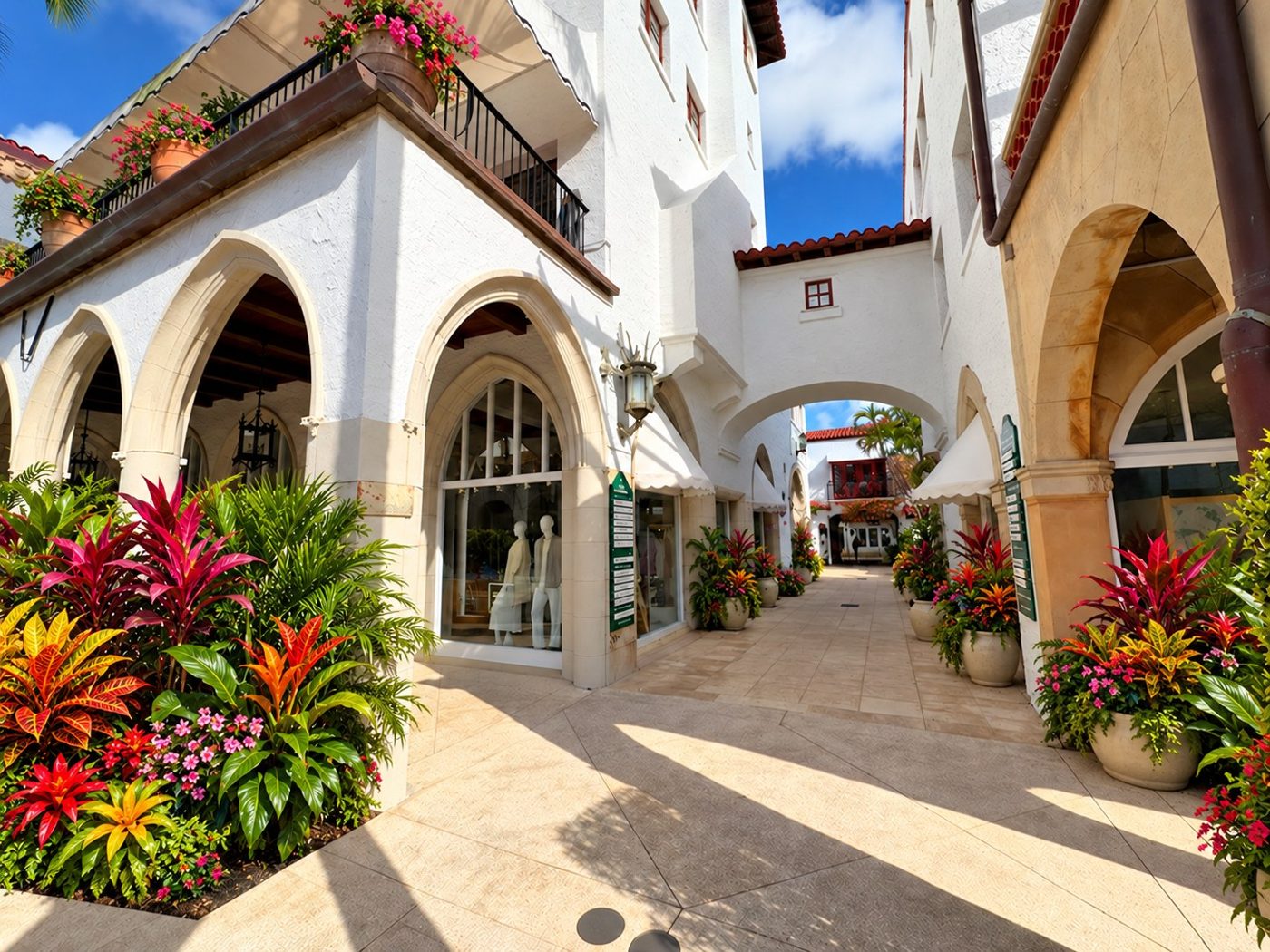
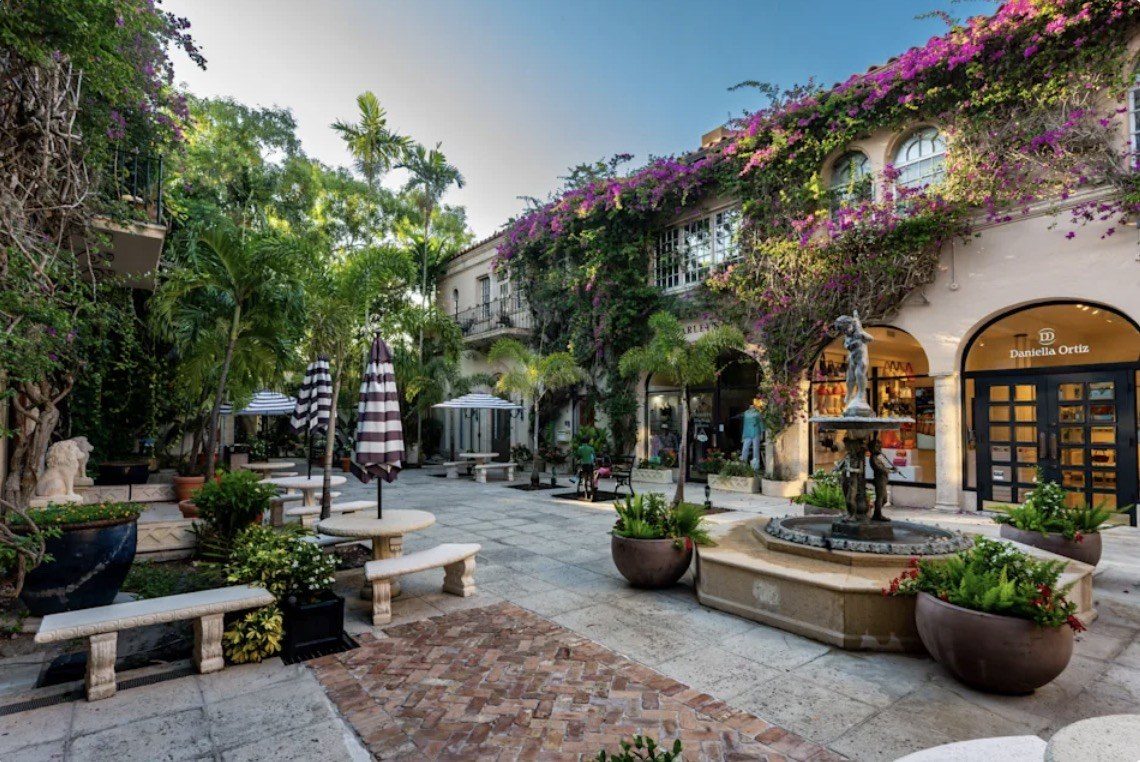
    You leave the traffic and the busy world behind, and suddenly you are walking along narrow passageways past little shops and elegant boutiques. Around one corner is a quiet courtyard. Nearby there are tables set out for a sidewalk café, and on another corner sits a small bistro. Flowers spill over walls and balconies, fountains break the silence, and old archways lead to another little passage you didn’t notice before.

    Arched walkway and flower planters along one of the Worth Avenue vias
    Arches, flowers and a narrow passage that seems to lead somewhere older
    Courtyard with a fountain, cafe tables and bougainvillea off Worth Avenue
    A quiet courtyard with a fountain, café tables and bougainvillea spilling down the walls

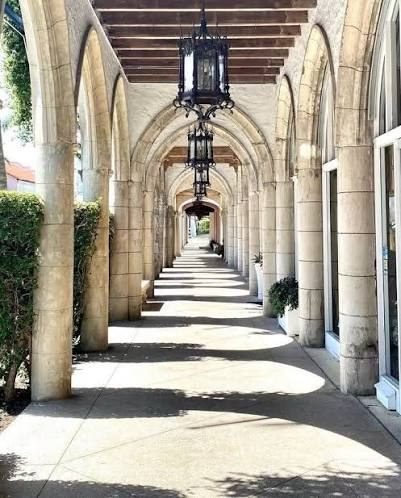
    Even on a warm South Florida day, the shaded vias feel cooler and quieter. You slow down without realizing it, and for a little while there is nowhere you need to be.

    Shaded arcade with hanging iron lanterns
    The shaded arcade, where the lanterns hang and the afternoon slows down

    That is part of what makes caring for Johnnie Brown and Our Laddie so special to us. Their little resting place belongs to an older Palm Beach, the one hidden behind the storefronts and beneath the bougainvillea. It is the Palm Beach of Addison Mizner walking his vias with a monkey on his shoulder, and it is still there for anyone who takes the time to look.

    My wife and I aren’t doing anything grand when we care for those headstones. We are simply looking after two small pieces of history that might otherwise be overlooked.

    And sometimes preserving history begins exactly that way, by noticing something that everyone else walks past.

  • Caring for a Forgotten Piece of West Palm Beach History

    Caring for a Forgotten Piece of West Palm Beach History

    There are places in a city that everyone knows, and then there are places that quietly hold their history while the rest of the world hurries past. I like to think of them as hidden gems.

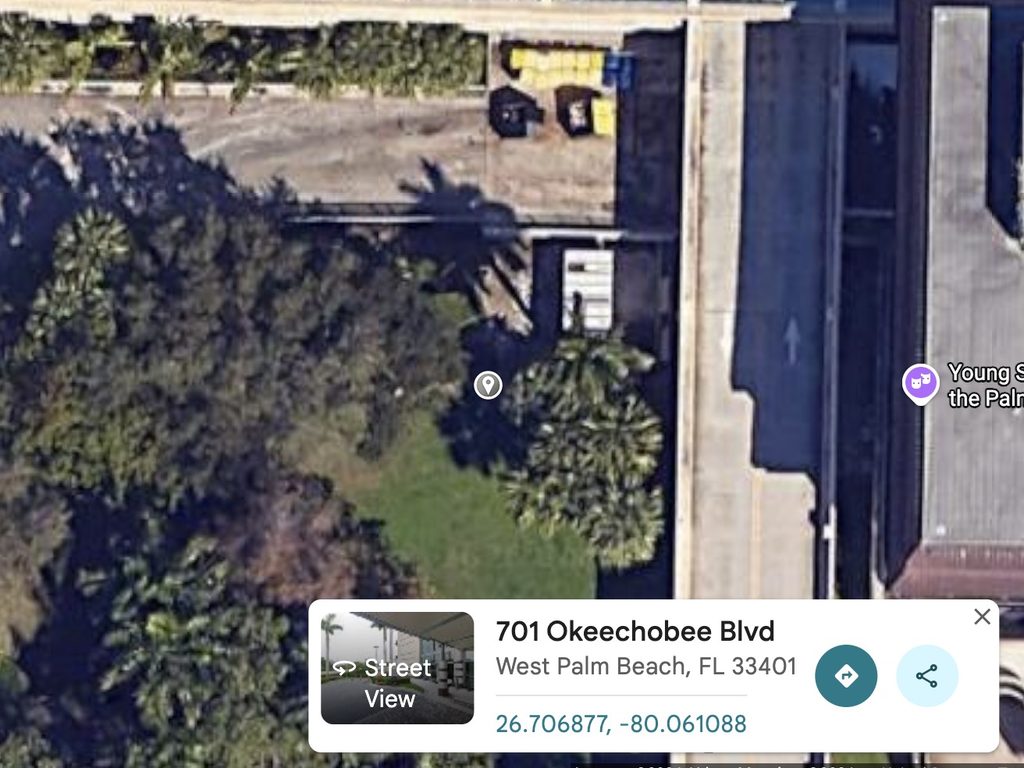
    For my wife and me, one of those places is the old home plate site of Connie Mack Field in West Palm Beach.

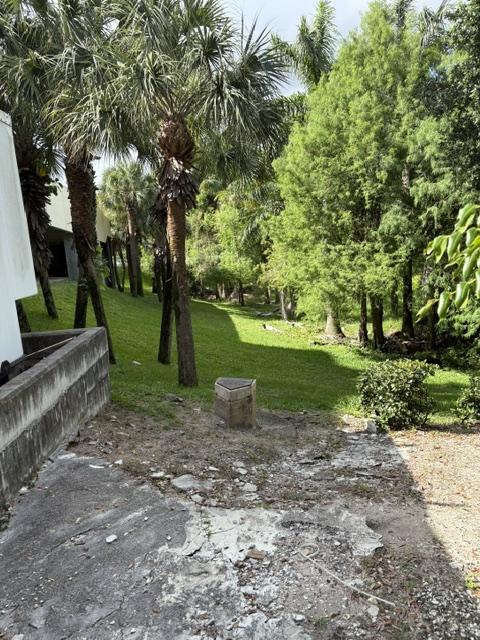
    Today there is no grandstand, no outfield fence and no crowd waiting on the next pitch. Most of the old ballpark has disappeared beneath modern West Palm Beach, near the corner of Tamarind Avenue and Okeechobee Boulevard. The grandstand area is now part of the Kravis Center parking garage, and a portion of the old infield has become a stormwater retention area. Thousands of people drive past it every week on their way to a show, and most of them have no idea what used to be there.

    But one important piece remains.

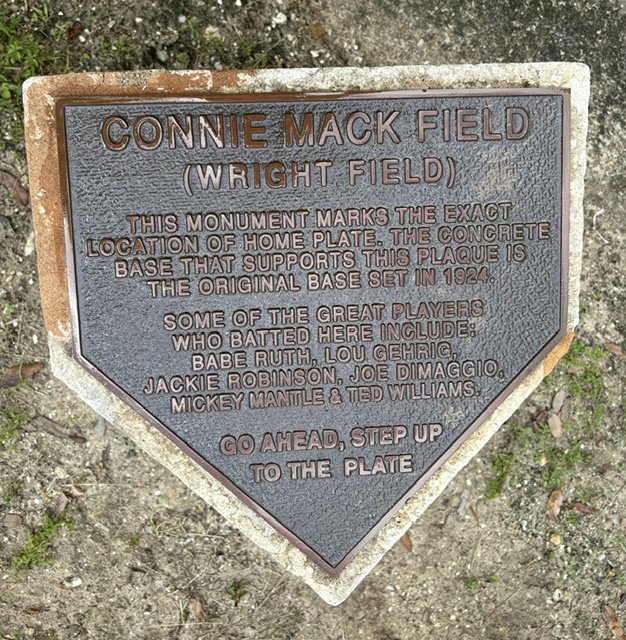
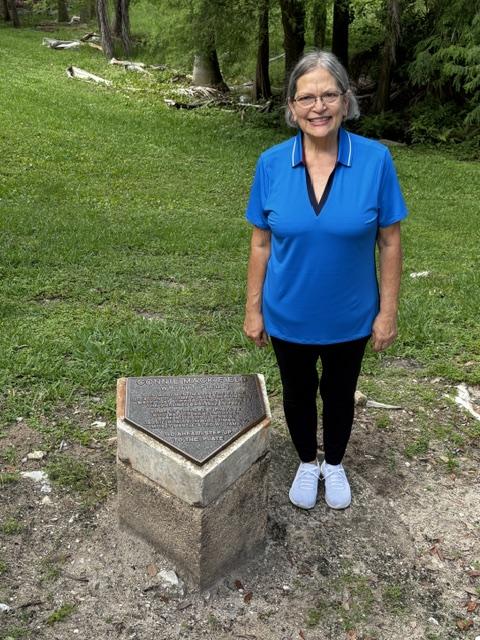
    A small monument marks the exact spot where home plate sat, and beneath it is the original concrete base set there in 1924. My wife and I have spent endless hours cleaning and caring for that little patch of ground every month, because we believe history deserves better than to simply fade away.

    The home plate marker as it is today…forgotten.

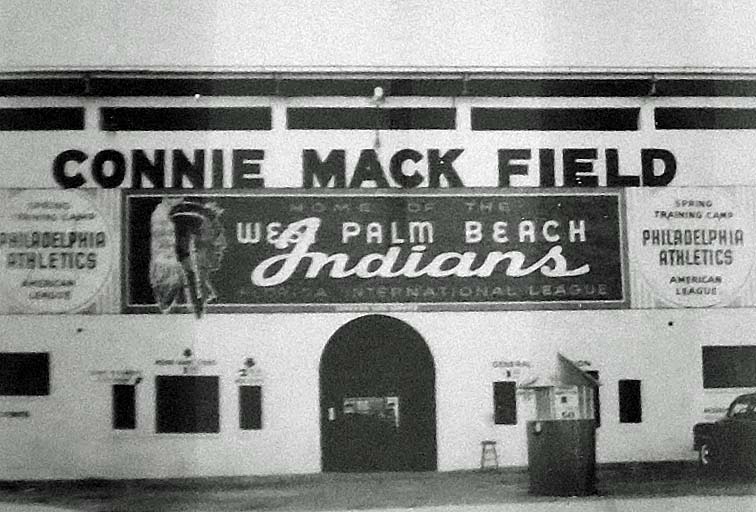
    The field opened in October 1924 as Municipal Athletic Field. In 1927 it was renamed Wright Field for George C. Wright, the city manager at the time. In 1952 it became Connie Mack Field, in honor of the legendary manager who led the Philadelphia Athletics for fifty years.

    Major league teams came south every spring to get ready for the season there. The St. Louis Browns trained at the field from 1928 to 1936. After the war, the Athletics made it their spring home from 1946 to 1962, first as the Philadelphia Athletics and later as the Kansas City Athletics. Alongside them, local teams such as the West Palm Beach Indians filled the summers with baseball and gave the town a team to call its own.

    The names connected to this ground are remarkable.

    Babe Ruth. Lou Gehrig. Jackie Robinson. Joe DiMaggio. Mickey Mantle. Ted Williams.

    Every one of them stepped into the batter’s box at the very spot where that marker stands today, and their names are right there on the marker for anyone who stops to read it.

    One afternoon stands out above the rest. On March 20, 1949, a record crowd of 6,988 people packed into the little ballpark to watch the Athletics take on Jackie Robinson and the Brooklyn Dodgers. General George C. Marshall was in the stands that day, and the A’s won 6 to 0.

    It was a proud day for the field, but it came at a time when Black fans still had to enter through a separate gate and sit in a small section out in the right field corner. Robinson was changing the game, and the ballpark still had a long way to go. That is part of the story too, and it deserves to be remembered as honestly as the rest.

    Connie Mack Field was never only about famous players, though. It belonged to the people of West Palm Beach who came through the gates, worked around the ballpark, cheered from the stands and supported their teams. Together they built a baseball tradition that lasted for generations.

    In February 1992 the bulldozers came, and the field gave way to the parking garage for the new Kravis Center. Years later, the Remembering Connie Mack Field Committee helped keep that history alive with photographs and displays inside the garage, on the first level near the main elevator. If you park there for a show, take a few minutes to look. It is worth it.

    That matters to us. It should matter to you. It’s our history, and it’s your history too.

    When my wife and I clean around that old home plate, we are not just sweeping leaves, clearing debris or cleaning the bronze plaque. We are standing where baseball legends once stood and where generations of local families made memories they carried for the rest of their lives.

    We cannot bring Connie Mack Field back.

    But we can care for what remains.

    As long as someone remembers the story, a piece of Connie Mack Field will always belong to West Palm Beach. My wife and I, for our part, plan to keep it going for as long as we can.

    The next time you are near Tamarind and Okeechobee, stop by and stand at home plate for a moment. You will be standing on history…our history.

    Map showing the home plate site behind the Kravis Center garage
    Home plate sits just behind the Kravis Center garage, near Tamarind Avenue and Okeechobee Boulevard.